



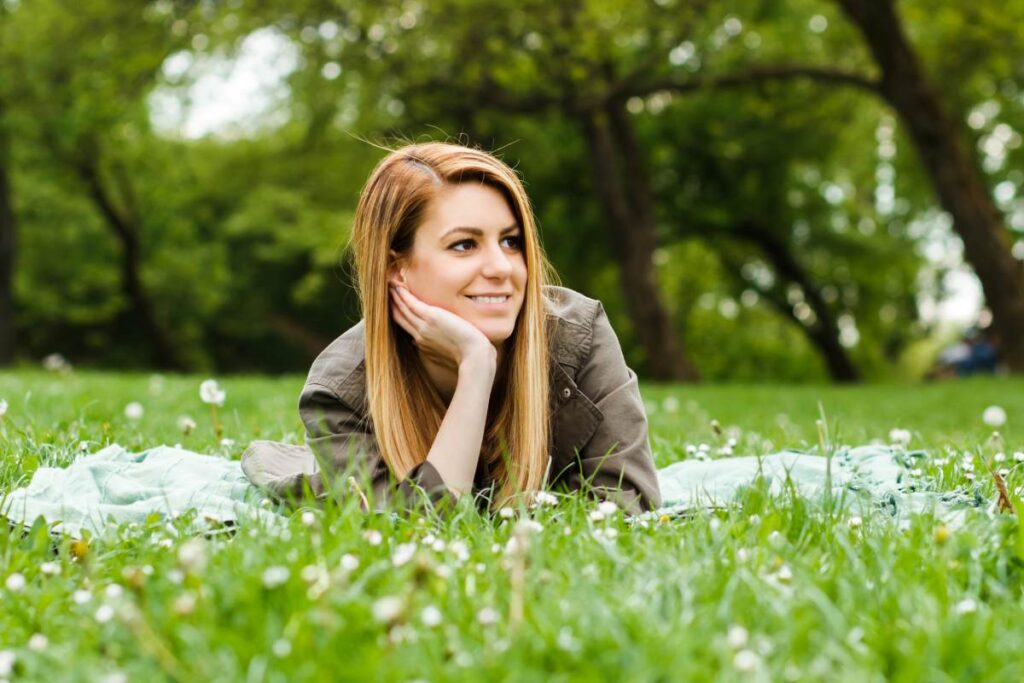
Taking portraits outdoors gives you countless opportunities to create interesting, expressive photographs. Natural light, changing scenery and unexpected textures can all help your images feel more personal than a standard indoor portrait. However, the background plays just as important a role as the person in front of the camera.
A plain background can keep attention on your subject, but a more creative setting can add colour, atmosphere and context. From woodland paths and architectural details to colourful smoke effects, there are plenty of ways to make outdoor portraits more distinctive.
The key is to choose a background that complements your subject without distracting from them. In this guide, we explore practical ideas for creating more interesting outdoor portrait backgrounds, including ways to use light, colour, perspective and movement.
Why Does The Background Matter In Portrait Photography?
A portrait background helps establish the mood and visual story of an image. A quiet garden may create a relaxed, natural feel, while an urban wall or dramatic landscape can give a photograph a more editorial appearance.
Backgrounds also influence how clearly your subject stands out. Too many competing colours, objects or patterns can make the image feel cluttered. On the other hand, a carefully chosen background can frame the subject and draw attention towards their expression, clothing and pose.
Before taking a photograph, look beyond the person you are photographing. Consider the lines, colours and shapes behind them, and think about whether these elements support the overall image.
Use Natural Landscapes To Add Depth
Outdoor locations offer a wide range of natural backgrounds, including fields, woodland, beaches, gardens and parks. These settings can add texture and depth without requiring complicated equipment or elaborate styling.
Rather than placing your subject directly against a flat background, look for layers within the scene. A nearby tree, a path leading into the distance or a line of hedges can create a stronger sense of perspective.
Try Woodland And Garden Settings
Trees and foliage provide natural colour and texture, particularly during spring and summer. Positioning your subject among greenery can create a soft, organic appearance, while autumn leaves offer warmer tones and contrast.
Look for areas where the background is visually interesting but not overly busy. Moving your subject a short distance away from the foliage can also help create separation, especially when using a wide aperture.
Use Paths And Leading Lines
Paths, fences and rows of trees can guide the viewer’s eye towards your subject. Position your model near one side of the frame and allow the lines to lead into the image.
Leading lines do not have to be perfectly straight. Curving paths, winding streams and natural arrangements of branches can all create movement and help the portrait feel more dynamic.
Experiment With Background Blur
Background blur, often called bokeh, can make a portrait look polished while reducing distractions. A shallow depth of field keeps the subject relatively sharp while allowing the background to become soft and indistinct.
To achieve this effect, use a wider aperture where your lens allows it and create some distance between your subject and the background. The further the background is from the subject, the more blurred it may appear.
However, background blur is not always the best option. If the location contributes important context, using a narrower aperture can help retain detail. A portrait taken beside an interesting building, for example, may benefit from showing some of the architecture.
The best approach depends on the story you want the photograph to tell.
Make Use Of Colour And Contrast
Colour is one of the simplest ways to create a more engaging portrait background. Look for complementary or contrasting tones in the environment, then consider how these interact with your subject’s clothing and skin tones.
A subject wearing neutral colours may stand out against bright flowers, colourful walls or autumn foliage. Alternatively, a coordinated colour palette can create a more subtle and harmonious image.
Look For Unexpected Colour Combinations
You do not need an elaborate setting to introduce colour. Painted doors, market stalls, murals, umbrellas and garden flowers can all provide strong background details.
Try photographing your subject against a background that contrasts with their outfit without overwhelming the composition. Take a few test photographs and review whether the colours draw attention to the subject or compete with them.
For creative portrait sessions, vibrant colour effects for outdoor celebrations can also introduce an unusual visual element. Coloured smoke products may create atmospheric backgrounds, but they must only be used responsibly, outdoors, and according to the product instructions. Keep smoke products away from people, flammable materials and unsuitable weather conditions, and ensure that everyone involved understands the safety arrangements.
Choose Interesting Architectural Backgrounds
Buildings and urban environments can provide a different look from traditional outdoor portraits. Brick walls, arches, staircases, bridges and modern glass structures all offer shapes and textures that can strengthen a composition.
Architectural backgrounds work particularly well when you use symmetry, repetition or strong geometric lines. A staircase can create depth, while a large wall can provide a simple but textured backdrop.
Pay attention to the condition and colour of the surface. Weathered brick can give a photograph a characterful appearance, while a smooth concrete wall may suit a minimalist portrait.
Always make sure you have permission to photograph on private property where required, and avoid placing your subject in a position that creates a safety risk.
Use Light To Transform The Background
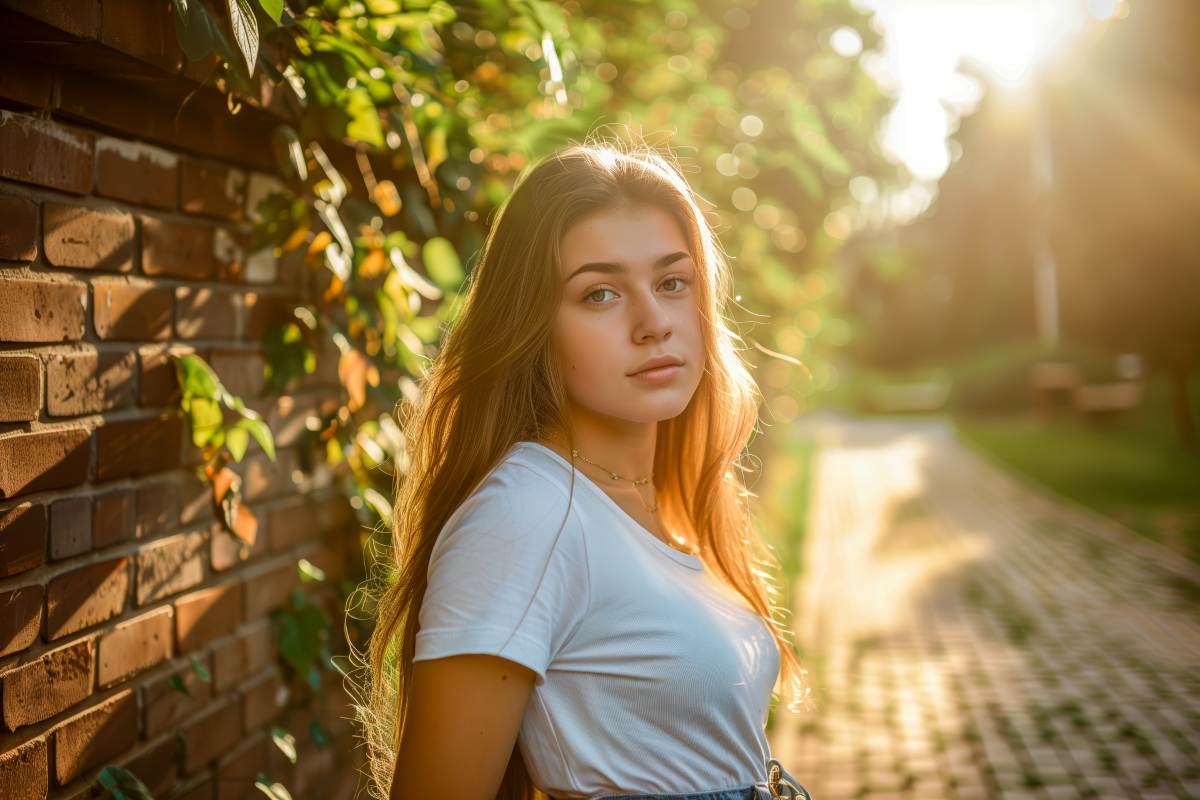
Lighting can change the appearance of an outdoor background throughout the day. The same location may look soft and warm in the evening but harsh and contrast-heavy at midday.
Photograph During Golden Hour
Golden hour refers to the period shortly after sunrise or before sunset when sunlight is lower in the sky. This light can create warmer tones and softer shadows, although the exact quality depends on weather and location.
Positioning your subject with the sun behind them can produce a glowing outline or backlit effect. You may need to adjust exposure or use a reflector to ensure that the subject’s face remains visible.
Use Shadows Creatively
Shadows can add shape and atmosphere to a portrait background. Tree branches, railings and architectural details may create patterns across the surrounding area.
Avoid placing distracting shadows directly across your subject’s face unless you are deliberately creating a stylised image. Instead, look for areas where shadows add depth without obscuring important features.
Overcast weather can also be useful. Cloud cover often produces softer, more even lighting and can make it easier to photograph people without harsh shadows.
Add Texture With Everyday Objects
Interesting backgrounds do not always require a picturesque landscape. Everyday objects can introduce texture and context, particularly when you are working in a familiar location.
Consider photographing your subject beside:
- Wooden fences or garden gates
- Weathered walls
- Outdoor seating
- Market displays
- Flowers and potted plants
- Vintage vehicles
- Interesting doors or windows
The aim is not to include as many objects as possible. Choose one or two details that support the portrait, then position your subject so the background remains balanced.
Textures can also be used to reflect personality. A musician might be photographed near a venue, while an artist could pose beside a colourful outdoor installation.
Try Different Angles And Perspectives
Changing your camera position can have a significant effect on the background. A photograph taken from a low angle may make the subject appear more prominent, while a higher viewpoint can reveal patterns on the ground or surrounding landscape.
Move around your subject instead of taking every photograph from the same position. A small adjustment can remove an unwanted object from the frame or place a more attractive background detail behind the subject.
You can also experiment with framing. Photographing through leaves, flowers, railings or an open doorway can create a natural frame around the person.
Be careful not to obscure the subject’s face or introduce objects that appear to emerge from their head or body. Reviewing the edges of the frame before pressing the shutter can prevent these distractions.
Introduce Movement And Atmospheric Effects
Static backgrounds can produce beautiful portraits, but movement can add energy and a sense of occasion. Flowing fabric, blowing leaves, bubbles, carefully controlled smoke, and fireworks can all create a different visual atmosphere.
Smoke effects may be used to add colour or soften the background, but they require careful planning. Only use products that are suitable for the intended environment, follow the manufacturer’s guidance and keep a safe distance from the smoke source.
Wind direction is particularly important. Smoke can drift unexpectedly, reducing visibility or moving towards people, roads, buildings or other hazards. Never use smoke products indoors or in an area where the smoke could create danger.
Alternatively, a relatively safer option is fireworks, since these can be used from a distance. The trick is getting the photo just as the explosion happens! If you want to photograph fireworks in the background, planning is just as important. Photographing fireworks effectively makes for amazing background effects, but they should always be operated separately from the photography area and managed according to appropriate safety procedures.
Create Separation Between Your Subject And Background
Even an attractive background can distract from the portrait if the subject blends into it. Separation helps define the person and makes the image easier to read.
You can create separation through distance, lighting, colour or depth of field. For example, a subject wearing a dark outfit may stand out more clearly against a lighter wall or open sky.
Also, pay attention to background objects that overlap with the subject. Poles, branches and signs can create awkward visual distractions if they appear directly behind the head or shoulders.
In these situations, ask your subject to move slightly, or change your own position, until the composition feels cleaner.
Plan A Themed Outdoor Portrait Session
A themed session can make it easier to choose a suitable background. Instead of selecting a location at random, decide on the mood and visual style you want to create.
A nature-inspired session might use woodland, flowers and soft natural light. A bold fashion portrait could incorporate colourful walls, urban textures and strong shadows. A celebration-themed shoot might use decorative details, banners or carefully planned colour effects.
Create a simple mood board before the session, including possible locations, colour palettes and lighting ideas. This gives you a clear direction while still allowing room for spontaneous photographs.
You should also consider practical matters such as accessibility, weather, changing facilities and whether the location is suitable for the equipment you intend to use.
Make Every Outdoor Portrait Background Count
Creating an interesting outdoor portrait background is largely about observation and experimentation. A beautiful location can help, but thoughtful framing, colour, lighting and perspective are what turn a background into an important part of the photograph.
Explore your surroundings, try different camera positions and consider how each background supports your subject. Whether you are photographing in a garden, urban space or event setting, small creative decisions can make your portraits more distinctive.
With careful planning and responsible use of atmospheric effects, outdoor photography offers plenty of opportunities to produce memorable images that feel personal, expressive and visually engaging.
Frequently Asked Questions
What is the best outdoor background for portrait photography?
There is no single ideal background. The best choice depends on the subject, the desired mood, available light and the amount of visual context you want to include.
How can I make a plain background more interesting?
Use lighting, texture, framing or colour to add visual interest. A plain wall can become more effective when photographed with shadows, strong composition or a subject positioned away from the surface.
Should the background be blurred in every portrait?
No. Background blur is useful for reducing distractions, but keeping some background detail can help communicate the location or personality of the subject.
How do I stop background objects from distracting from my subject?
Check the entire frame before taking the photograph. Move your subject or camera to avoid overlapping objects, excessive patterns and strong highlights that compete for attention.
Can I use coloured smoke in portrait photography?
Some products may be suitable for outdoor creative photography, but smoke must be used responsibly. Follow the manufacturer’s instructions, maintain appropriate distances and consider wind, visibility, fire risk and the safety of everyone nearby.
What time of day is best for outdoor portraits?
Early morning and late afternoon often provide softer, warmer light. Overcast conditions can also work well because they reduce harsh shadows, while the best time ultimately depends on the location and intended style.
How can I add depth to an outdoor portrait?
Use layers, leading lines and separation between your subject and the background. Paths, trees, fences and distant objects can help create a stronger sense of depth.
Do I need professional equipment to create interesting backgrounds?
No. Creative location choices, careful composition and good use of natural light can make a significant difference, even with a smartphone or basic camera.

