


Smoke is a remarkably versatile visual tool. On a film set, it can make beams of light visible, add depth to a shot or create an unsettling atmosphere. On stage, carefully controlled haze can transform an otherwise ordinary set into something mysterious, dramatic or dreamlike. Understanding how smoke effects in film and theatre are used shows why atmospheric effects remain such an important part of visual storytelling.
A Brief History of Smoke Effects in Performance
Smoke and atmospheric effects have been used in entertainment for generations, although the technology behind them has changed considerably. Early theatrical productions relied on relatively simple methods to create atmospheric effects, while modern productions can use specialist machines, carefully controlled materials and sophisticated lighting.
As stage and film technology developed, smoke became useful for more than simply representing fire or fog. Productions discovered that atmospheric effects could alter the appearance of a set, emphasise lighting and help audiences associate a particular visual atmosphere with a scene.
Today, stage smoke effects can range from subtle haze that is barely noticeable to dense atmospheric effects designed to become a major part of the visual presentation.
How Smoke Creates Mood and Atmosphere
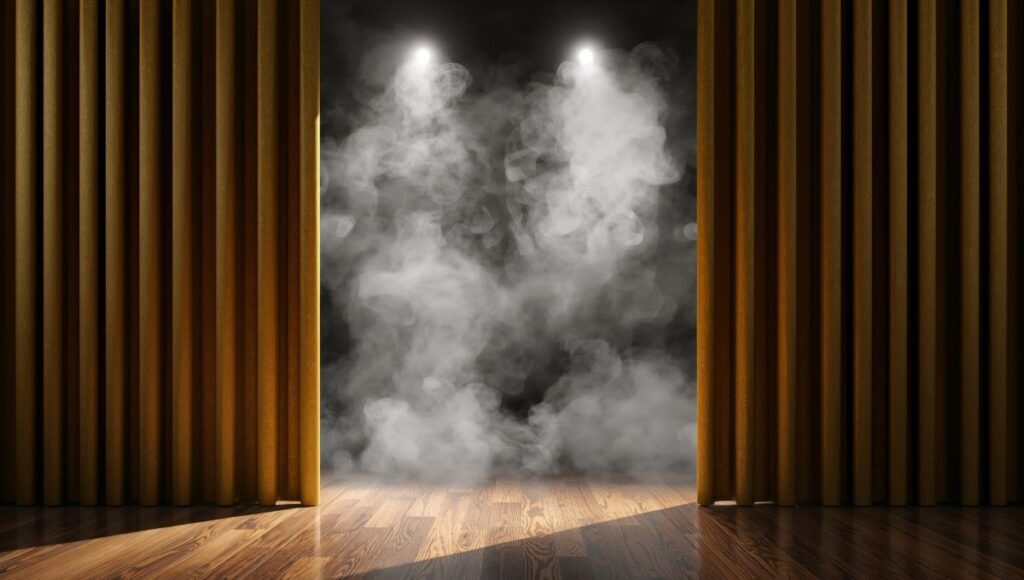
Smoke works particularly well because it changes how light interacts with the surrounding space. A beam from a spotlight or stage light can become much more visible when particles are suspended in the air, creating defined shafts of light rather than simply illuminating the objects around them.
The density and movement of the effect can also influence the mood. A light haze may create a soft, cinematic appearance, while denser smoke can make a scene feel mysterious, dramatic or disorientating.
Film productions can use smoke in controlled environments to add depth between foreground and background, while theatre productions can use atmospheric effects to help audiences feel immersed in the setting.
Types of Smoke Effects Used in Productions
Not every smoke effect is created in the same way, and the appropriate choice depends on the production, location and desired visual result.
Common options include:
- Haze: A fine, relatively subtle atmospheric effect that helps reveal beams of light without necessarily obscuring the stage or set.
- Fog: Usually denser than haze and capable of creating a more obvious mist-like appearance.
- Low-lying fog: Designed to remain closer to the ground, creating an effect that can resemble rolling mist.
- Smoke products: Certain pyrotechnic products can create coloured or dense smoke effects for outdoor photography, events and specialised productions.
The term theatrical smoke bombs can therefore cover very different products and effects, but a pyrotechnic smoke product should never simply be treated as interchangeable with a theatrical fog or haze machine.
Safety Considerations for Indoor Use
Smoke effects require careful planning indoors because atmospheric effects can affect visibility, ventilation and fire detection systems. Before using any effect, production teams need to understand exactly what product or machine is being used and follow the manufacturer’s instructions.
Smoke can also trigger alarms or interact with ventilation systems, meaning venue management and relevant technical staff should be consulted beforehand. The Health and Safety Executive highlights the need to consider exposure, ventilation and the specific substances involved when atmospheric effects are used in entertainment environments. (hse.gov.uk)
Pyrotechnic smoke products require particular caution. They should only be used where the product is specifically suitable, with appropriate permissions, ventilation, separation distances and fire-safety arrangements in place. Indoor use should never be assumed to be safe simply because a product produces smoke rather than a visible flame.
Modern Alternatives and Innovations
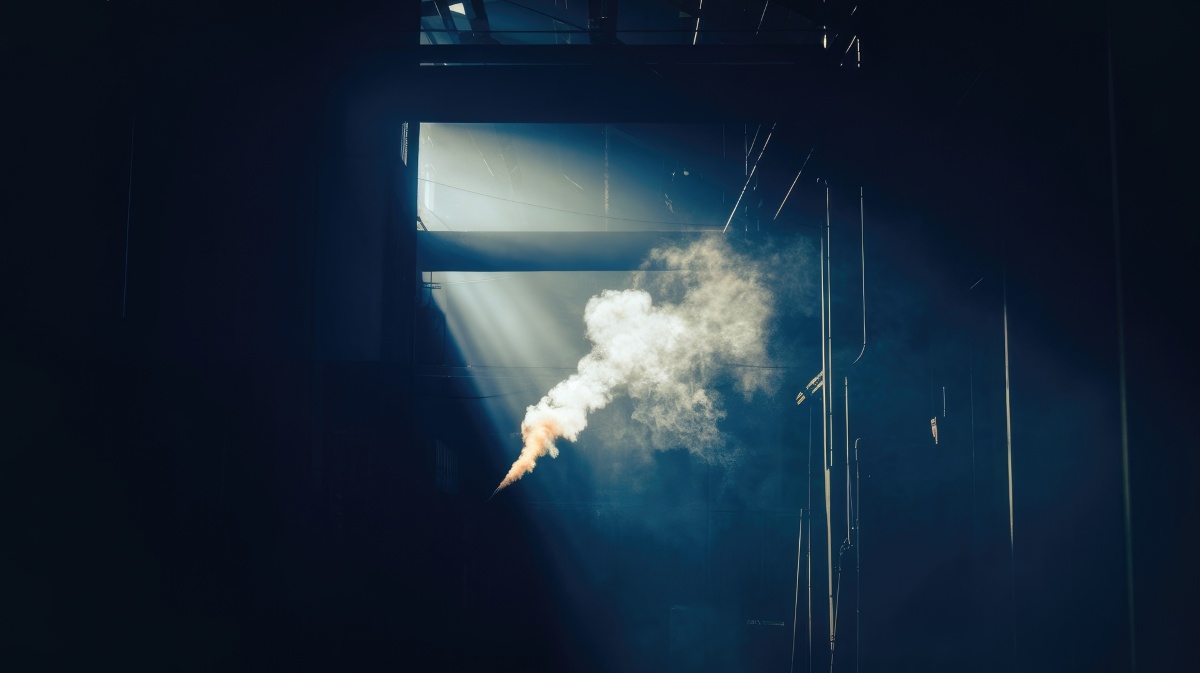
Modern productions have considerably more control over atmospheric effects than earlier performers. Haze and fog machines can produce consistent effects that can be adjusted according to the requirements of a scene or performance.
Digital lighting has also made atmospheric effects more versatile. Programmable lights can change colour, intensity and movement while haze reveals the beams, allowing lighting designers to create effects that would be much harder to achieve in a clear space.
Film productions can combine practical atmospheric effects with post-production techniques, giving directors greater control over the final appearance. This does not necessarily make practical smoke obsolete; real atmospheric effects can interact naturally with costumes, sets and lighting in ways that can be difficult to reproduce convincingly afterwards.
Bringing These Effects to Your Own Events
You do not need a film set or theatre production to appreciate the visual impact of smoke. Coloured smoke can provide an eye-catching backdrop for photography, add atmosphere to an outdoor celebration or create a distinctive moment within an event.
Our guide to creative ways to use smoke bombs explores some of the possibilities, from photography and gender-reveal celebrations to themed outdoor events.
When using smoke products, always choose an appropriate location and follow the manufacturer’s instructions. Outdoor use is generally much more suitable for pyrotechnic smoke products than enclosed spaces, particularly where there may be people, animals, combustible materials or sensitive equipment nearby.
Explore the Range at Anfield Fireworks
Anfield Fireworks offers a selection of flares and smoke bombs in different colours, giving customers options for adding strong visual effects to outdoor celebrations, photography and creative events. Our range includes individual smoke products as well as multi-colour selections, making it possible to choose effects that complement a particular theme or setting.
For example, coloured smoke can create striking backgrounds for photographs, while multiple colours can be used at different points during an outdoor event to produce changing visual effects.
Our wider fireworks range means smoke does not have to be the only visual element. Depending on the event, coloured smoke can be combined with suitable fireworks, flares or other effects to create a more varied outdoor experience. Always check the instructions and suitability of individual products before use.
FAQs
Can smoke effects be used indoors?
Some specialist theatrical haze and fog systems are designed for controlled indoor use, but pyrotechnic smoke products are a different matter. Always check the product instructions, venue requirements and relevant safety arrangements before using any atmospheric effect indoors.
What is the difference between smoke and haze?
Haze is generally finer and more evenly distributed, often making light beams visible without heavily obscuring the space. Smoke and denser fog can create a much more noticeable visual effect.
Are smoke bombs suitable for photography?
Some coloured smoke products can create striking photographic effects, particularly outdoors. The photographer should plan the location carefully and make sure the product is used according to its instructions.
Can smoke effects set off fire alarms?
Yes. Smoke and some atmospheric effects can potentially activate detection systems. Venue management and technical staff should be consulted before using any smoke-producing equipment or products indoors.

