




There’s nothing quite like that moment when the first firework streaks upward, pauses for half a heartbeat, and bursts into a bloom of colour. Whether it’s Bonfire Night, New Year’s Eve, or a summer celebration, fireworks turn any gathering into something unforgettable.
But before that magic happens, there’s one very important part that deserves attention — lighting fireworks safely.
Fireworks are designed for spectacle, not stress. With a few easy precautions and some smart preparation, you can enjoy every spark with confidence. So here it is — your simple, step-by-step guide to lighting fireworks safely, whether you’re a first-timer or a seasoned backyard showrunner.
Step 1: Choose the Right Location
A great fireworks display starts with a great setup spot. You’ll want a clear, open area away from houses, trees, fences, and overhead wires.
Here’s what to check:
- Minimum distance: Most fireworks need at least 25 metres between the launch site and the audience — always follow the safety label on each firework.
- Surface: A flat, firm surface (like grass or compacted soil) is safest. Avoid uneven ground where fireworks could tip.
- Wind direction: Light fireworks with the wind blowing away from spectators, not towards them.
- Animals and neighbours: Let them know in advance — a quick heads-up can go a long way in keeping everyone happy.
If you’re in any doubt, err on the side of extra space. Fireworks look better from a little further back anyway.
Step 2: Prepare Before the Sun Sets
Trying to read labels or find fuses in the dark isn’t ideal. Start setting up before dusk so you can see everything clearly.
- Lay out your fireworks in order of firing — smaller items first, bigger finales last.
- Keep them in their original packaging until you’re ready to light them.
- Have a bucket of water, sand, or a garden hose close by for emergencies.
- Make sure spectators are well behind a safety line — a rope, cones, or even a few chairs make good visual markers.
It’s also smart to have a torch or headlamp handy (just avoid open flames or lighters until it’s time to start).
Step 3: Read the Instructions
Every firework is different, and so are its lighting instructions. The best way to stay safe — and get the full visual effect — is to read the label carefully before you light.
Pay attention to:
- The firing method (fuse, portfire, or electronic ignition)
- The safety distance required
- Whether the firework is ground-based (like fountains or cakes) or aerial (like rockets or shells)
If the label says “for outdoor use only,” it means it — never attempt to light fireworks indoors or under shelter.
Step 4: Protect Yourself
Safety gear might not sound glamorous, but it’s worth it.
Before lighting any firework:
- Wear safety glasses to protect your eyes from sparks.
- Avoid loose clothing that could catch fire.
- Keep long hair tied back.
- Always use a safety lighter or portfire — never matches, candles, or cigarette lighters.
And remember: one person — ideally a calm, responsible adult — should be in charge of lighting. That keeps things organised and ensures no one accidentally wanders too close.
Step 5: Light Fireworks the Right Way
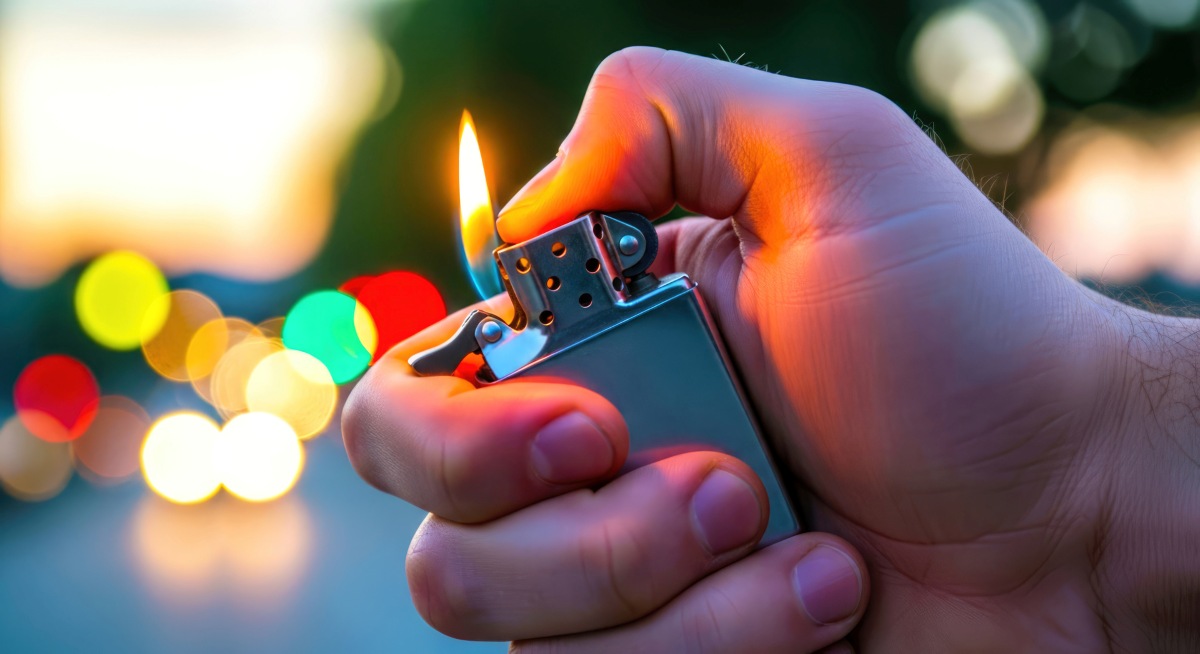
Now, the fun part. Follow these key rules to light fireworks safely and successfully:
1. Approach from the side, not from above.
This keeps your body out of the line of fire in case of a misfire.
2. Light at arm’s length.
Use a portfire or extended taper to maintain distance between you and the fuse.
3. Move away immediately.
Once lit, retreat to the recommended safety distance and keep everyone else behind you.
4. Never lean over a firework — not even briefly.
5. Light one firework at a time.
Rushing to ignite multiple fuses is risky and can cause confusion.
Take your time. The display will look better — and feel safer — when each firework gets its moment to shine.
Step 6: What to Do If a Firework Doesn’t Go Off
It happens occasionally — a fuse burns down, but nothing launches. Your first instinct might be to check it, but don’t.
Here’s what to do instead:
- Wait at least 15–20 minutes before approaching.
- Do not relight it.
- Carefully douse it with water.
- Dispose of it safely once it’s completely soaked.
Most misfires happen because the fuse gets damp or damaged — nothing to worry about, but never worth taking a chance.
Step 7: After the Show
Once the final burst fades and the applause dies down, the safety routine continues.
- Wait at least 30 minutes before clearing the area. Some fireworks may still smoulder unseen.
- Use tongs or gloves to pick up spent fireworks — they can stay hot long after they stop glowing.
- Soak all used items in water before disposing of them.
- Store unused fireworks in a cool, dry place for next time — away from heat or ignition sources.
Fireworks are exciting, but they’re still chemical devices. Treat them with the same care you’d give a campfire or barbecue.
Step 8: Keep It Legal
Fireworks are for fun — but they’re also regulated for everyone’s safety. In the UK:
- You must be 18 or over to buy fireworks.
- You can only use them between 7am and 11pm, except on Bonfire Night (midnight), New Year’s Eve, Diwali, and Chinese New Year (1am).
- Only buy fireworks marked CE or UKCA certified — these meet strict safety standards.
Buying from trusted retailers like Anfield Fireworks ensures every product has been tested, approved, and stored correctly before it reaches your hands.
Step 9: Keep Learning
Even seasoned enthusiasts benefit from a refresher on safety. Whether you’re hosting a small garden show or a bigger celebration, our guide to essential fireworks safety practices covers everything from setup to storage.
The more you know, the safer (and smoother) your night will be.
And if you want to skip the stress of planning and just enjoy the moment, we’ve got affordable fireworks for all occasions — carefully curated packs that take the guesswork out of great displays.
Final Thoughts
Lighting fireworks isn’t difficult, but it does demand respect. Each fuse carries a spark of wonder — and, handled right, it turns into a shared memory for everyone watching.
So take your time. Set up smart, light with care, and keep your distance. The reward? That first burst of colour across the sky, perfectly timed and beautifully safe.
Because the best fireworks aren’t just the brightest — they’re the ones that let everyone go home smiling, warm, and ready to do it all again next year.

