



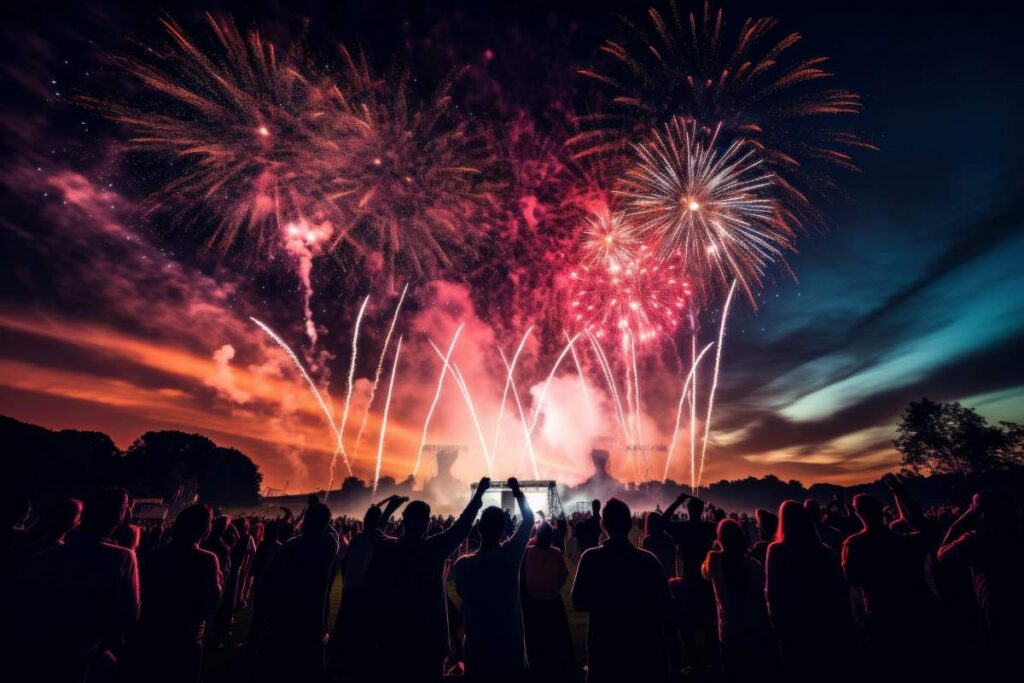
Fireworks are a familiar part of celebrations across the world. From New Year’s Eve and Bonfire Night in the UK to national holidays and cultural festivals internationally, they consistently appear as a symbol of celebration, excitement, and shared experience.
But why have fireworks become such a universal way of marking important moments? The answer lies in a combination of history, symbolism, sensory impact, and tradition, because fireworks are not just entertainment. These bright, colourful explosions are a deeply rooted part of how humans celebrate together.
In this article, we’ll explore why fireworks are used in celebrations, how they became so popular, and what makes them such a powerful part of shared cultural experiences.
A Brief Look at Fireworks in Human History
Fireworks have been used for centuries, with their earliest origins traced back to ancient China. Early versions were created using simple explosive mixtures, originally believed to ward off evil spirits and bring good fortune.
Over time, fireworks spread along trade routes and evolved into more complex forms. By the time they reached Europe, they were being used for royal celebrations, religious festivals, and public events.
Understanding the origins and history of fireworks helps explain why they remain so closely tied to celebration today. From their earliest use, fireworks were designed to mark moments of importance, a tradition that continues in modern society.
Fireworks as Symbols of Celebration
One of the main reasons fireworks are used in celebrations is their strong symbolic meaning. Bright lights in the night sky represent joy, achievement, and transition.
Fireworks are often used to mark:
- National holidays
- New Year celebrations
- Cultural festivals
- Weddings and private events
- Public commemorations
In many cultures, fireworks symbolise new beginnings. The act of lighting up the sky represents change, renewal, and optimism for the future.
The Emotional Impact of Fireworks
Fireworks are designed to evoke emotion. The combination of sound, light, and anticipation creates a powerful sensory experience that can be felt collectively by everyone watching.
This shared emotional response is part of what makes fireworks so effective in celebrations. People don’t just see fireworks, they feel them.
Common emotional responses include:
- Excitement and anticipation
- Joy and celebration
- Nostalgia and reflection
- Awe and wonder
Because these emotions are experienced together, fireworks help create a sense of unity among spectators.
Why Fireworks Work So Well in Group Settings
Unlike many forms of entertainment, fireworks are inherently communal. They are designed to be viewed by large groups at the same time, often in open public spaces.
This creates a shared focus point. Everyone is looking in the same direction, reacting to the same moments, and experiencing the same sequence of events.
This shared attention helps strengthen social bonds and makes celebrations feel more meaningful. It’s one of the reasons fireworks remain central to public events and festivals.
Fireworks and Cultural Identity
Fireworks are deeply embedded in cultural traditions around the world. In the UK, they are closely associated with Bonfire Night and New Year’s Eve, while in other countries they are used for different festivals and national celebrations.
Each culture uses fireworks in slightly different ways, but the underlying purpose remains the same: to mark important moments in a memorable way.
These shared traditions help reinforce cultural identity and provide continuity between generations.
The Science Behind the Spectacle
Part of what makes fireworks so captivating is the science behind them. Each firework is carefully engineered to produce specific effects, colours, and timing.
When a firework is launched, it follows a controlled trajectory before exploding at a precise height. This creates the visual patterns we associate with celebration.
Modern fireworks are designed with increasing precision, allowing for:
- Complex colour combinations
- Synchronized displays
- Coordinated sequences
- Musical integration in large shows
This blend of science and artistry is what makes modern displays so impressive.
Fireworks and Modern Celebrations
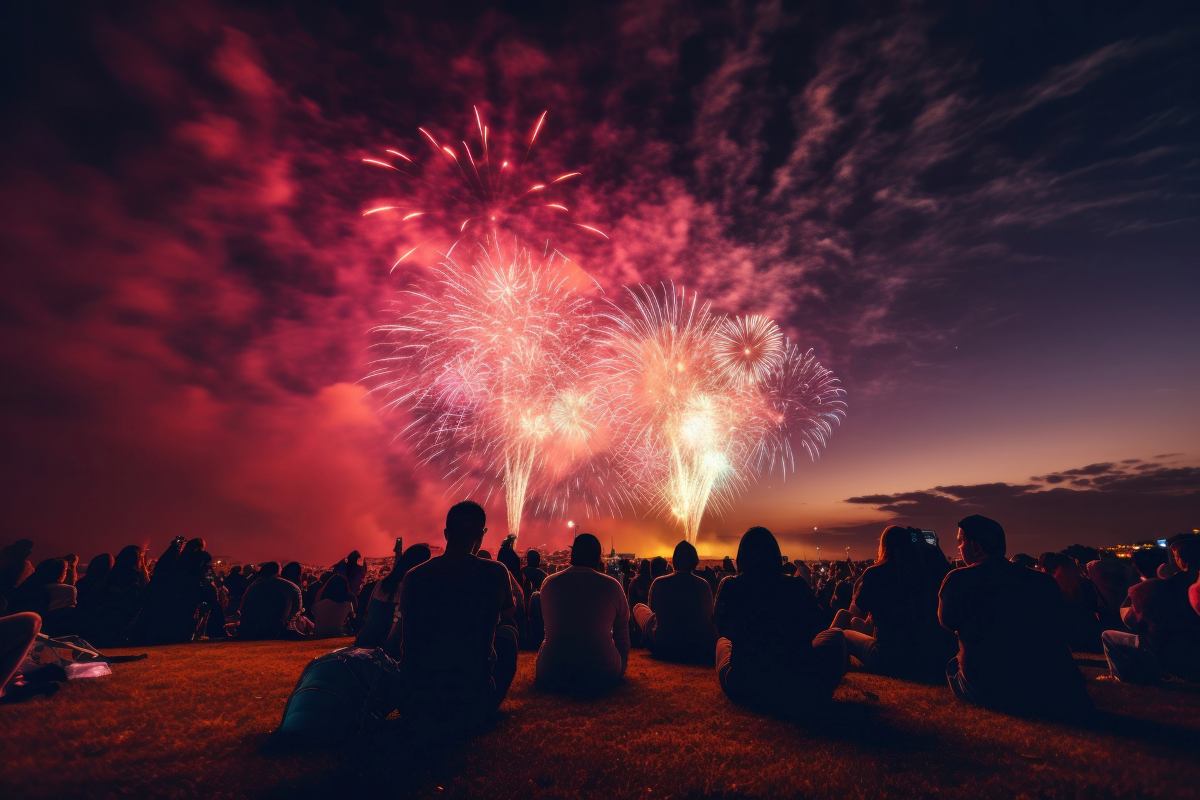
Today, fireworks are used in a wide variety of events, from large-scale public displays to private celebrations. Their role has expanded, but their purpose remains consistent: to enhance special moments.
In private events such as weddings or parties, fireworks add drama and excitement. In public settings, they help create shared experiences that bring communities together.
You can use smoke effects for events and creative displays alongside fireworks to enhance visual impact and create more immersive experiences.
Fireworks as a Way to Mark Time
One of the most important roles fireworks play is marking transitions in time. Whether it’s the end of a year, the start of a new one, or a significant historical anniversary, fireworks help signal change.
This connection to time gives fireworks a symbolic weight, because they represent moments of transition and reflection.
This is why they are so often used at midnight celebrations or at the climax of major events.
The Role of Anticipation
A key part of any fireworks display is the build-up. The anticipation before the first firework is launched is often just as important as the display itself.
As people gather, wait, and watch the sky, a shared sense of expectation builds. When the first firework finally explodes, it releases that tension in a moment of collective excitement.
This structure, anticipation followed by release, is a big part of why fireworks feel so satisfying to watch.
Fireworks in Modern Event Design
Modern event planners often use fireworks as part of a broader experience. Rather than being standalone displays, they are integrated into lighting, music, and performance elements.
This creates immersive environments where fireworks are part of a larger narrative or theme.
In this context, companies like Anfield Fireworks play a role in helping organisers choose suitable effects for different types of events, from small private celebrations to larger public gatherings.
Fireworks and Memory Creation
Fireworks are strongly linked to memory. People often remember where they were, who they were with, and how they felt during a display.
This is because fireworks engage multiple senses at once, making experiences more vivid and easier to recall.
Shared experiences like these become part of personal and collective memory, reinforcing why fireworks are used repeatedly for important occasions.
Why Fireworks Continue to Be Popular
Despite changes in entertainment and technology, fireworks remain popular because they offer something unique: a real-world, shared experience that cannot be replicated digitally.
They combine:
- Visual spectacle
- Emotional engagement
- Social interaction
- Cultural meaning
Few other forms of entertainment bring all these elements together in such a simple yet powerful way.
A Tradition That Still Matters
Fireworks have endured for centuries because they do more than entertain. They bring people together, mark important moments, and create lasting memories.
From ancient origins to modern celebrations, their role has evolved but their purpose has remained consistent. They symbolise joy, transition, and shared experience.
Whether used in public festivals or private events, fireworks continue to hold a special place in celebrations around the world. They remind us that some moments are worth pausing for, watching together, and remembering long after the sky goes dark.

