



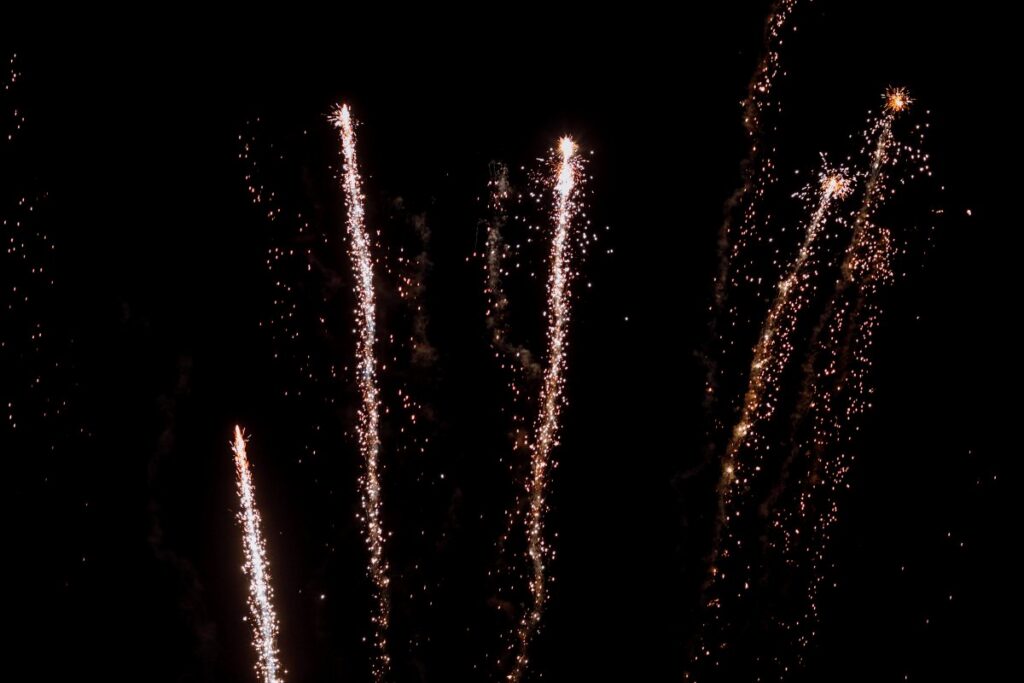
Roman candles are one of the most recognisable types of fireworks. These long, cylindrical tubes fire a series of colourful stars or effects into the sky, creating dramatic bursts of light. Today, they’re enjoyed at celebrations across the UK, from Bonfire Night and New Year’s Eve to weddings and birthday parties.
However, the history of Roman candles is surprisingly dark. Despite their cheerful appearance today, their origins and early use were often violent and theatrical in ways that might shock modern audiences. Understanding this history gives us a fascinating insight into how fireworks evolved from tools of spectacle and intimidation to the entertainment devices we enjoy safely today.
Origins of Fireworks in Ancient Civilisations
To understand Roman candles specifically, it helps to look briefly at the roots of fireworks themselves. Fireworks were first developed in China over 1,000 years ago. Early pyrotechnics were created by combining saltpeter, charcoal, and sulphur – ingredients that produced explosive effects when ignited.
Initially, these early fireworks were used for religious ceremonies, celebrations, and to ward off evil spirits. Fireworks gradually spread along trade routes, eventually reaching Europe in the Middle Ages, where they were adapted for both entertainment and military use. Explore more with our brief history of fireworks.
Roman Candles in Ancient Rome
The term ‘Roman candle’ is believed to originate from their use in Europe during the Renaissance period, particularly in Italy. In Roman and Renaissance spectacles, candles like these were sometimes employed in large public displays.
However, these early versions were far from safe or refined. They were often improvised devices, constructed with rudimentary tubes and filled with gunpowder. The intent was to launch flaming projectiles into the air, creating a show of power and awe for onlookers. In some cases, they were even used in military displays, creating confusion and fear among enemies.
The combination of fire, gunpowder, and poorly controlled materials made early Roman candles unpredictable – sometimes dangerous even for the pyrotechnicians who handled them.
The Gruesome Spectacle
In addition to their use in celebrations and religious ceremonies, Roman candles and other fireworks were occasionally part of more gruesome public spectacles. During festivals and gladiatorial events, pyrotechnics could accompany dramatic reenactments, battle simulations, or even executions.
The pyrotechnics themselves were not necessarily lethal, but they were part of spectacles that often involved risk, fear, and sometimes injury. This historical context helps explain why fireworks, including Roman candles, were both feared and admired.
Even in Europe, where fireworks had shifted more toward entertainment by the 17th and 18th centuries, Roman candles retained an element of danger. Poor-quality materials, lack of safety measures, and the intensity of early displays meant accidents were not uncommon.
How Roman Candles Work
Modern Roman candles are much safer than their historical predecessors, but the basic principle remains the same. Each tube contains multiple ‘stars’ – small pellets composed of combustible materials and colourants.
When the fuse is lit:
- A lift charge ignites and propels the first star into the air
- The star bursts in colour or sparks above the audience
- The internal fuse advances to the next star
- The sequence continues until the candle is spent
This simple but effective design allows for a visually striking sequence with relatively minimal setup. Modern materials, safety regulations, and controlled designs make them a far cry from the dangerous improvisations of the past.
Popular Uses Today
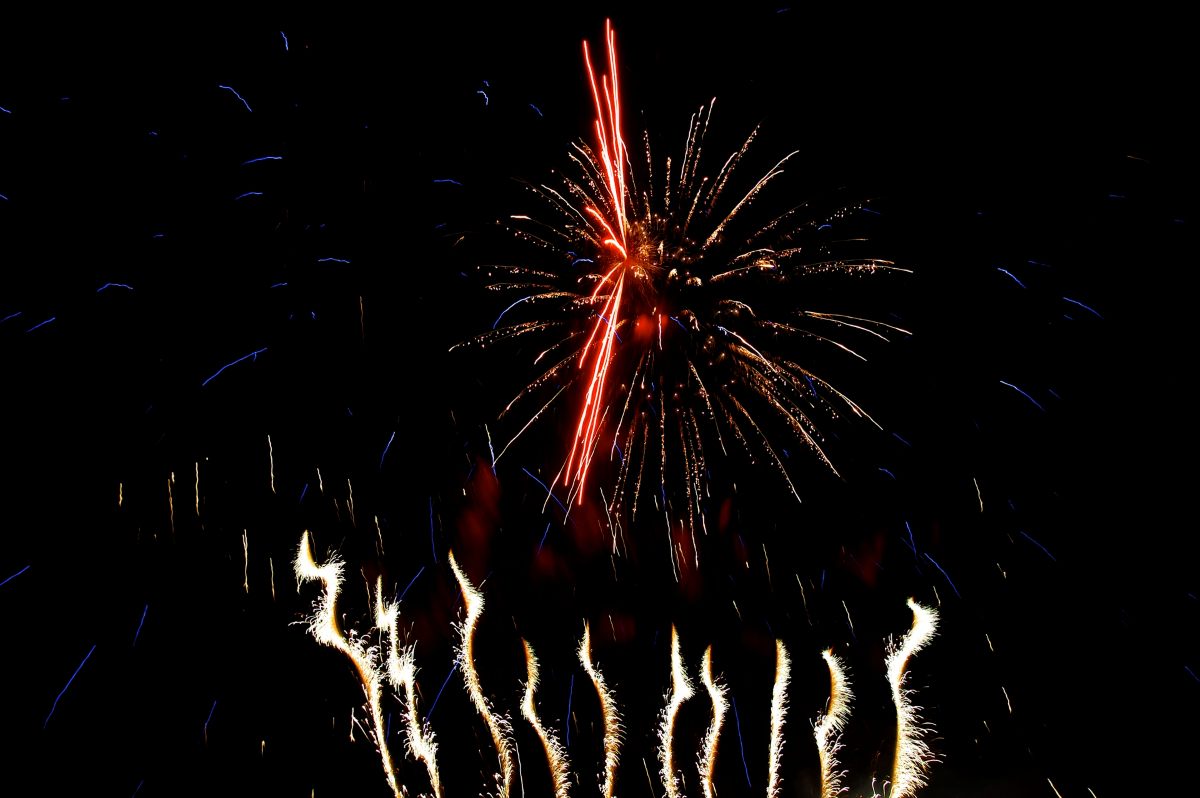
Today, Roman candles are popular because they are easy to use and offer a dramatic, sequential effect. They’re widely available in the UK for both home and professional displays, particularly around seasonal events such as:
- Bonfire Night
- New Year’s Eve
- Weddings and birthdays
- Garden parties and other celebrations
For event organisers, Roman candles can be combined with other pyrotechnics to create a layered, professional-looking display. Adding complementary effects like fountains, event-ready flares and smoke effects can enhance the spectacle.
Lessons From History
The history of Roman candles serves as a reminder that fireworks are not just entertainment; they are powerful tools that have been both celebrated and feared throughout history. While modern fireworks are designed for safety and enjoyment, the dramatic origins of these devices remind us why proper handling and respect for regulations are so important.
Today’s fireworks laws in the UK ensure that celebrations are safe for everyone. These rules cover age restrictions, usage times, and safety distances, meaning that we can enjoy spectacular displays without the danger that accompanied early Roman candles.
The Evolution of Spectacle
Roman candles exemplify the evolution of fireworks from terrifying, improvised displays to controlled, artistic spectacles. They highlight how creativity, science, and careful planning transformed pyrotechnics into a form of entertainment accessible to the public.
By understanding the past, we can better appreciate the balance of excitement and safety in modern fireworks. Their colourful bursts now bring joy rather than fear, and their sequence-driven displays add anticipation and drama without endangering spectators.
Bringing History Into Modern Celebrations
Using Roman candles today allows us to connect with a centuries-old tradition, even if the context is much safer. Whether you’re hosting a family gathering, a seasonal celebration, or a professional display, these fireworks offer a nod to history while providing spectacular effects that everyone can enjoy.
For those planning a display, combining Roman candles with other fireworks, sparklers, or smoke effects can create a fully immersive experience. Carefully considering placement, timing, and safety distances ensures that the history of awe and spectacle continues – minus the danger!
From their gruesome beginnings in ancient spectacles to their colourful, regulated presence in modern events, Roman candles remain a unique and memorable part of the fireworks world. They are a perfect example of how tradition, technology, and creativity come together to turn fire and powder into unforgettable moments of light.

