



Every year as autumn settles in, the crisp nights bring a familiar anticipation: fireworks season. For many, it’s enchanting – bursts of colour against a velvet sky, that collective “ooh” and “aah.” Yet, for others, particularly those living with post-traumatic stress disorder (PTSD), the season can feel like an onslaught. Explosions in the night aren’t celebrations; they’re triggers. And as friends or family, we’re left asking: how can we make this time less frightening and more manageable? We don’t claim to have every answer, but we do have some thoughts.
Why Fireworks Can Be So Distressing
PTSD isn’t one-size-fits-all. For some, the sound of a firework mimics gunfire or explosions they’ve once endured. For others, it’s the unpredictability – the sudden bang when the world seemed calm a moment before. We think it’s important to recognise that even if we personally enjoy fireworks that light up any occasion, our loved ones might experience the very same sounds and lights as terrifying.
It’s not just the noise either. The bright flashes, the vibrations that shudder through walls, even the smell of smoke in the air can pile on. These sensory triggers, unfortunately, don’t politely check the calendar before they arrive. They come unannounced, and when they do, they can hijack the body’s stress response system. The adrenaline spike, the racing heart, the urge to hide – these aren’t overreactions, they’re the body’s learned survival strategies.
And that’s what makes fireworks tricky. They’re celebratory for one group, traumatic for another. Two very different realities, coexisting on the same night.
Open Conversations Matter
We sometimes hesitate to bring it up – what if talking about fireworks makes things worse? In reality, avoiding the subject leaves room for assumption. A quiet, honest chat can set the stage for planning. Ask your loved one how they usually feel when the season arrives, what strategies have worked in the past, and what hasn’t. Listening, really listening, can go a long way.
We don’t need to arrive with ready-made solutions (and honestly, it can be unhelpful if we try). Instead, it’s about creating space for them to express what feels safest. Maybe they want company during displays, maybe they prefer solitude. Both are valid.
Sometimes these conversations are uncomfortable – but that’s the point. By talking openly, we take away some of the loneliness and isolation PTSD can bring.
Practical Strategies to Try
Of course, conversation is only one part of the picture. We also need to think practically about the environment. Some ideas may sound obvious, but when stress levels are high, basics matter.
Creating Safe Spaces
A quiet room with blackout curtains, noise-cancelling headphones, or even white noise can reduce sensory overload. It’s not about blocking everything out – that may be impossible – but about softening the intensity. Dim lighting, familiar objects, maybe even a favourite blanket can add comfort. We think of it like creating a protective bubble inside the home, a retreat when the world outside feels overwhelming.
Grounding Techniques
For some, grounding exercises help pull attention away from distressing memories and back into the present. Naming five things you can see, four things you can feel, three you can hear, two you can smell, one you can taste – it’s simple, but it helps. We think of it as anchoring the mind when waves of panic try to pull it away.
Not every technique works for every person. Sometimes it’s trial and error. Sometimes it’s just about finding that one exercise that feels manageable in the moment.
Distraction That Feels Comforting
Films, puzzles, board games, even baking (yes, baking counts as therapy for some of us) can help. The goal isn’t to erase fireworks but to reframe the evening with other associations. In fact, planning calming Bonfire Night experiences as a household can shift the focus from what’s outside to what’s within your shared space.
The trick is to make the evening about something else entirely – something enjoyable, something grounding, something shared.
Respecting Boundaries
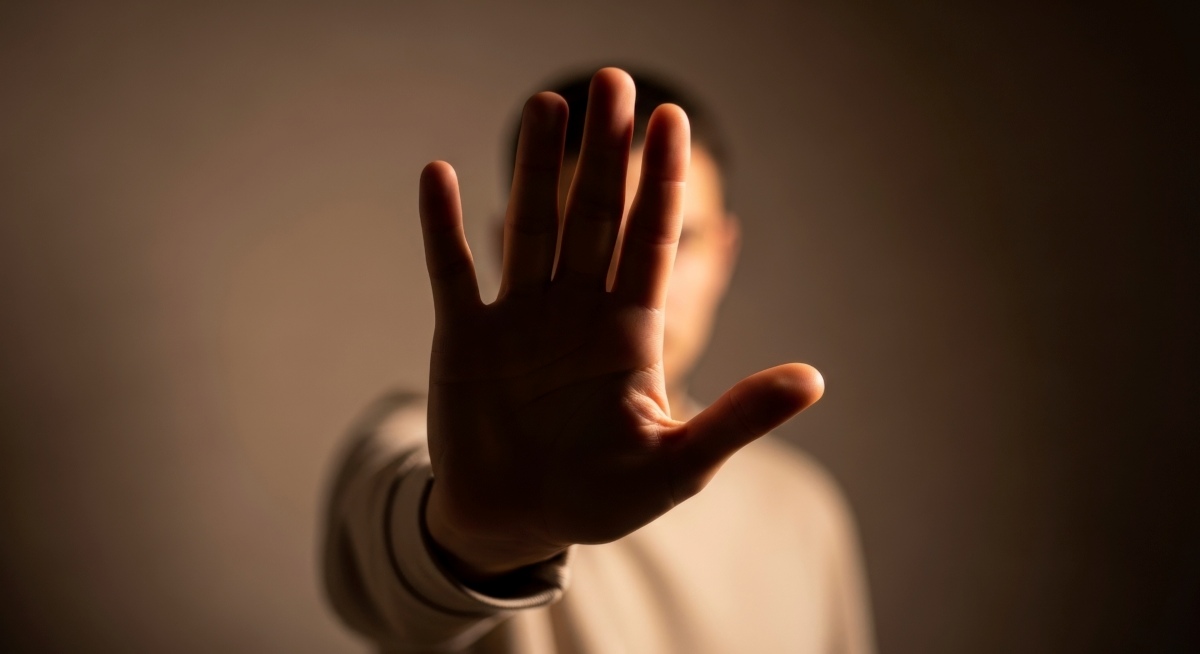
This might be the hardest part for supportive friends and family: realising we can’t “fix” the reaction. Sometimes the kindest thing is stepping back, respecting boundaries, and not pushing them to endure what feels unbearable. It’s tricky, because we want to help. But help sometimes means not intervening at all.
It’s also worth remembering that boundaries aren’t static. What works one year might not work the next. Checking in and adapting shows that we value their autonomy. And yes, it can be frustrating – especially when we’ve spent time setting up what we thought was a perfect plan – but flexibility is part of real support.
Encouraging Wider Support
We can do a lot, but we’re not professionals (unless you happen to be one, in which case – hats off). Encouraging loved ones to connect with support groups, mental health professionals, or veteran organisations can provide an extra layer of guidance. There’s strength in numbers, and sometimes, hearing “me too” from someone else living with PTSD carries more weight than anything we could say.
Support can look different depending on the person. It might be counselling, group therapy, mindfulness practices, or peer support circles. The key is offering encouragement without pressure.
Community Awareness Plays a Role
It’s not just about what we do within our homes. Communities can play their part too. Clear communication about when displays will happen, designated quiet hours, or “low noise” fireworks are small but meaningful shifts. Some councils are experimenting with quieter shows – still dazzling, less disruptive. Progress, albeit slow.
And maybe this is the bigger point: awareness changes culture. If enough of us keep raising the issue, fireworks season can be joyful for many without being devastating for others. That feels like a fair balance to strive for.
Communities have the power to make inclusion part of tradition. And really, isn’t that what celebrations are meant to be about?
Finding Light in the Dark
At the end of the day, we can’t make fireworks disappear. They’re woven into traditions, celebrations, and, for many, fond memories. But what we can do is soften their impact for those who struggle most. That means thoughtful conversations, practical adjustments, and a willingness to adapt – year after year, as needed.
Supporting a loved one with PTSD during fireworks season is less about grand gestures and more about consistency. Being present. Being patient. And remembering that sometimes, the greatest gift is simply showing up without judgement.
If nothing else, we think it helps to remind them – and ourselves – that while the fireworks outside may be loud and unpredictable, the support inside the home can be steady and safe. That contrast alone can make a world of difference.

