



Fireworks are dazzling, no doubt. The colours, the bursts, the sheer spectacle – they’ve been part of celebrations for centuries. But while most of us are craning our necks to catch the best view, it’s easy to forget that not everyone experiences the same sense of wonder. For many elderly people, fireworks can be disorienting, even frightening. The loud cracks, unexpected flashes, and sheer unpredictability can create real discomfort, sometimes even risk. So how do we, as families, communities, and neighbours, make sure our older generations don’t simply endure fireworks nights but feel safe and considered during them?
Why Fireworks Can Be Challenging for the Elderly
It’s not just about “not liking noise.” For older people, there are several layers to the issue. Hearing sensitivities increase with age, but oddly, it’s not always a straightforward case of “bad hearing equals less discomfort.” Amplified sound can cause more anxiety. Add in reduced mobility, which makes escaping a stressful environment harder, and you’ve got a recipe for unease.
We also need to remember the connection between sudden noises and medical conditions. For someone with a heart issue, high blood pressure, or balance difficulties, those booming explosions may trigger physical reactions – dizziness, anxiety spikes, or even falls if startled. And let’s not pretend: confusion can follow. If dementia or cognitive decline is in the picture, fireworks can shift from inconvenient to genuinely distressing.
Creating a Calmer Home Environment
So what do we do? First, think of the home as a shield. Thick curtains and blinds help reduce light flashes. Closing windows doesn’t just keep noise down but stops smoke drifting in, which can be irritating for older lungs.
Some people use white noise machines or even just the TV turned up slightly to mask the outside bangs. And while it might sound a little obvious, the power of reassurance is huge – sitting with someone, chatting, keeping them company, makes a world of difference. Loneliness magnifies fear. Familiar voices reduce it.
Considering Physical Safety
Noise aside, fireworks carry real physical risks. In neighbourhoods where amateur displays are common, stray rockets (or worse, misfired ones) aren’t unheard of. Making sure outdoor spaces are secure – windows closed, doors locked, pets kept in – is part of protecting not just the elderly but everyone under your roof.
Mobility is another aspect. If an elderly person does want to watch from a safe distance, lighting and clear walkways are essential. We’ve all tripped over that rogue garden chair in the dark; for someone with a walking stick, the hazard doubles.
Supporting Emotional Wellbeing
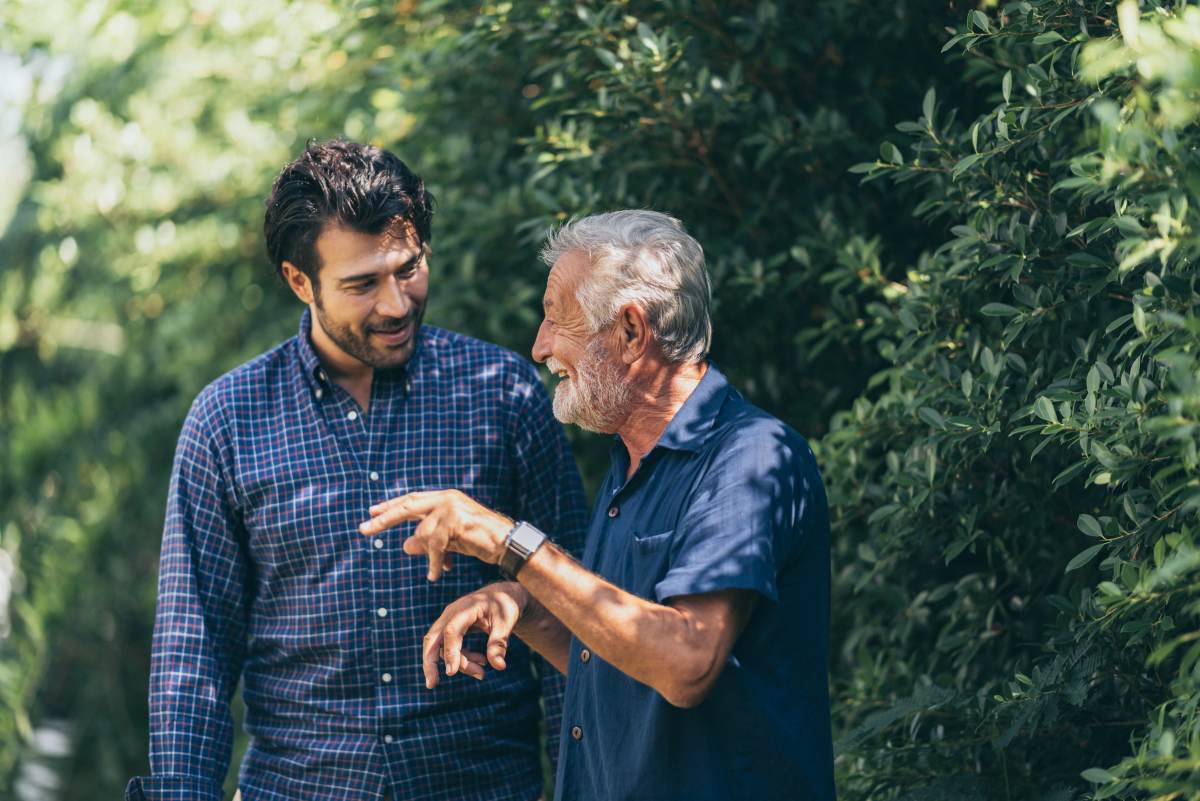
Emotional wellbeing deserves more attention than it often gets. Fireworks might trigger wartime memories for those old enough to have lived through them. That sharp crack in the distance doesn’t sound much like celebration if it echoes something traumatic from decades past.
This is where conversations matter. A gentle acknowledgment that the noise might feel overwhelming – without brushing it off as “just fireworks” – validates the person’s feelings. Sometimes even small gestures, like having a plan (a cup of tea ready, a favourite programme on TV, or just sitting together), create a sense of control in a situation that otherwise feels uncontrollable.
Community Responsibility
Fireworks are fun, yes, but they’re also a collective responsibility. We think it’s worth pausing to consider neighbours before setting them off. Many communities already push for organised displays rather than dozens of mini back-garden ones. Fewer but safer events mean fewer people caught off guard.
And this extends to communication. If you’re hosting a fireworks event, letting nearby residents know ahead of time gives them the chance to prepare. That courtesy can be the difference between a stressful night and a manageable one.
(Interestingly, the same consideration applies to animals – and if you’re curious about supporting dogs during noisy firework events, there are parallels worth exploring.)
Balancing Celebration and Care
None of this is about banning fireworks or dampening joy. Celebrations need their spark, and fireworks provide it beautifully. But striking a balance matters. If we can find ways to celebrate without overlooking the vulnerabilities of older generations, isn’t that a sign of genuine community?
Retailers have also started to adapt. Quiet or low-noise fireworks exist – they’re not silent, but they’re far less intrusive. Choosing these, particularly for garden parties or family gatherings, is a practical compromise. And if you’re thinking of hosting, exploring our wide selection of fireworks for every celebration can include options that thrill without overwhelming.
Final Thoughts on Protecting the Elderly
Protecting the elderly during fireworks events isn’t complicated, but it does require thought. A closed window, a conversation, a little advance notice – none of these things cost much, yet they can transform the experience.
We won’t pretend there’s a perfect solution that pleases everyone. Some people will always love the noise and spectacle, while others will always struggle with it. But if we hold onto one idea – that celebration and care can coexist – then we’re on the right track. Fireworks are about joy, after all. And joy should never come at the cost of someone else’s peace.

