



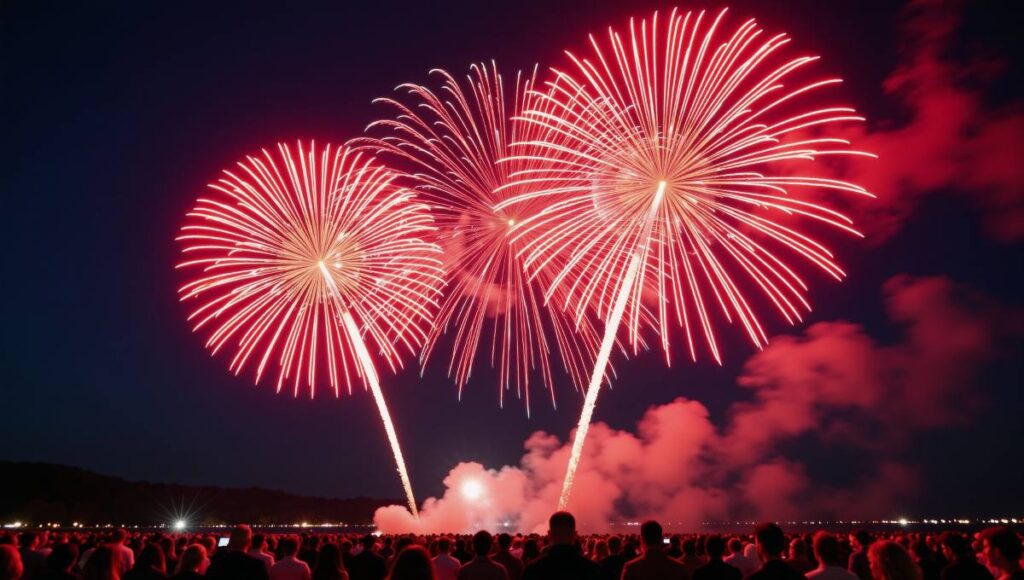
A memorable fireworks display isn’t simply about choosing impressive fireworks. Timing plays just as important a role. A well-timed display builds anticipation, keeps spectators engaged, and finishes on a high, while a poorly paced one can feel disjointed, rushed, or repetitive, regardless of how spectacular the fireworks themselves are.
Whether you’re organising a Bonfire Night celebration, a wedding, a New Year’s Eve party, or a community event, understanding how to time your fireworks properly can make a significant difference to the overall experience. Fortunately, you don’t need to be a professional pyrotechnician to create a display with excellent pacing – you simply need a little planning.
In this guide, we’ll explore how to structure a fireworks display from start to finish, covering everything from selecting the right fireworks to creating a memorable finale.
Start with a Plan
The best fireworks displays rarely happen by accident. Even relatively small garden displays benefit from a simple running order that determines what will be lit, when, and why.
Rather than treating each firework as an individual event, think of the display as one complete performance. Every firework should contribute to the overall flow.
Before buying or unpacking your fireworks, consider:
- How long you want the display to last.
- Who your audience will be.
- The size of your venue.
- Whether you want a slow build-up or immediate impact.
- Which firework you’d like to end the display.
Having these decisions made beforehand helps eliminate rushed decisions on the night.
Decide on the Overall Length
Longer isn’t always better when it comes to fireworks. Most spectators remain fully engaged during displays lasting between 10 and 20 minutes. Extending beyond this can reduce the impact unless you’re using a very wide variety of effects.
A shorter display with strong pacing often leaves a greater impression than a lengthy show with repeated effects.
When deciding on duration, consider:
- Garden celebrations: 8–12 minutes.
- School or community events: 10–20 minutes.
- Weddings: 8–15 minutes.
- Larger organised displays: 15–25 minutes.
These timings provide enough variety while maintaining excitement throughout.
Build the Display Like a Story
One of the easiest ways to think about timing is to imagine your display following the structure of a story.
Instead of beginning with your biggest fireworks, gradually increase the excitement as the display progresses. This creates anticipation and gives the finale room to make the biggest impact.
A simple structure often includes:
- A gentle opening to capture attention.
- A steady build with increasing height and intensity.
- A dramatic middle section featuring varied effects.
- A fast-paced, high-energy finale.
This approach keeps spectators engaged from beginning to end.
Choose an Opening That Sets the Tone
Your opening acts as an introduction to the display. So, rather than immediately using your loudest or largest fireworks, begin with effects that encourage spectators to look skyward and settle into the experience.
Ground-based fountains, quieter aerial fireworks, or colourful mines can all work well.
This opening should create anticipation without giving away everything that’s still to come.
Vary Heights and Effects
Displays become far more interesting when different types of fireworks are mixed together.
Using the same style repeatedly can quickly become predictable. Varying heights, colours, and firing patterns helps maintain visual interest throughout.
To create more variety, you can combine:
- Ground effects.
- Roman candles.
- Rockets.
- Multi-shot cakes.
- Aerial barrages.
- Low-noise visual fireworks.
Alternating between different effect types creates natural changes in pace without interrupting the overall flow.
Leave Enough Time Between Fireworks
One of the most common mistakes made during home displays is lighting fireworks too quickly.
When fireworks are fired back-to-back without pause, individual effects can become difficult to appreciate. Equally, leaving overly long gaps can interrupt momentum.
Aim for a steady rhythm that allows each firework to finish before introducing the next effect.
This gives spectators time to enjoy each display while maintaining anticipation for what’s coming next.
Match the Timing to the Audience
Every audience is different, and your display should reflect that.
Families with younger children often appreciate shorter displays with colourful visual effects, while adult audiences may enjoy longer sequences with more varied pacing.
Before finalising your display, think about who will be watching.
For example:
- Children’s events may benefit from earlier start times.
- Wedding displays often complement key moments such as the first dance.
- Bonfire Night displays can build naturally around the bonfire itself.
- New Year’s Eve displays are usually timed to coincide with midnight.
Matching the display to the occasion makes it feel much more meaningful.
Pay Attention to Lighting Order
The order in which fireworks are lit is just as important as the products themselves.
Once you’ve decided on your sequence, lay the fireworks out in advance according to the order they’ll be used. This reduces confusion and helps the display run smoothly.
As part of your preparation, it’s also worth reviewing best practice for lighting fireworks safely, ensuring each firework can be ignited efficiently while maintaining appropriate safety distances throughout the display.
Good preparation allows the person lighting the fireworks to focus on timing rather than searching for the next product.
Save the Best Until Last

Every memorable fireworks display has a standout ending.
The finale should feel noticeably bigger, brighter, and faster than everything that came before.
Rather than using one large firework, many organisers combine several high-impact fireworks towards the end to create sustained excitement.
Your finale might include:
- Large multi-shot cakes.
- Rapid-firing barrages.
- Bright gold and silver effects.
- High aerial bursts.
- Multiple firing angles.
Ending strongly ensures the display finishes on a memorable high rather than fading away gradually.
Consider the Music
While not essential, music can dramatically improve the pacing of a fireworks display.
Matching fireworks to carefully chosen songs creates a more immersive experience and provides natural cues for changes in intensity.
Even for smaller displays, creating a simple playlist can help establish rhythm and make the event feel more organised.
If using music, remember to test speaker placement beforehand so spectators can hear it clearly without it overwhelming the fireworks themselves.
Allow for Practical Considerations
Good timing also depends on practical preparation behind the scenes.
Before the display begins, make sure everyone involved understands their responsibilities. Having a clear plan helps prevent unnecessary delays once fireworks start being lit.
To keep everything running smoothly, you should:
- Position fireworks before spectators arrive.
- Check weather conditions.
- Ensure lighting equipment is easily accessible.
- Keep safety equipment nearby.
- Brief anyone helping with the display.
Small organisational details often make the biggest difference on the night.
Adapt if Necessary
Even the best plans sometimes need adjusting.
Unexpected weather, changes in audience size, or delays elsewhere in the event may require slight alterations to your schedule.
Rather than rushing to catch up, remain flexible while keeping the overall structure intact.
A calm, measured approach usually produces a better display than trying to stick rigidly to a timetable that no longer suits the situation.
Choosing Fireworks That Work Well Together
Timing becomes much easier when the fireworks themselves complement one another.
Many manufacturers design display packs with pacing in mind, making it easier to create a balanced sequence without extensive planning.
If you’re planning a display from scratch, try to include a mixture of:
- Colour-focused fireworks.
- Noise-focused fireworks.
- Low-level effects.
- High aerial bursts.
- Slower visual pieces.
- Fast-paced finale fireworks.
This combination naturally creates variation throughout the display.
For the best firework displays, and above all safe ones, it’s best to buy fireworks online from a UK retailer with a reputable history. Here at Anfield Fireworks, we’ve been supplying the nation with a varied range of premium firework packs from our base in Liverpool. Our carefully assembled collections are an excellent choice for anyone wanting a professional-feeling display without the complexity of selecting every firework individually.
Finish with a Lasting Impression
The final few moments are often what spectators remember most.
Avoid ending with a single, isolated firework after a period of silence. Instead, build towards a conclusion that feels deliberate and satisfying.
A powerful finale followed by a brief pause gives everyone time to appreciate the display before applauding or beginning conversations.
Finishing confidently leaves guests with a positive final impression that often defines their memory of the entire event.
Great Timing Creates Great Displays
A successful fireworks display is about much more than impressive products. Careful timing, thoughtful pacing, and good organisation all contribute to creating an experience that feels exciting from beginning to end.
If you plan your sequence in advance, vary your effects, allow each firework its moment to shine, and build towards a memorable finale, you’ll create a display that feels polished and engaging, whatever the occasion.
With the right preparation and attention to detail, your fireworks won’t just light up the sky. They’ll tell a story that spectators will remember long after the final burst has faded.

