



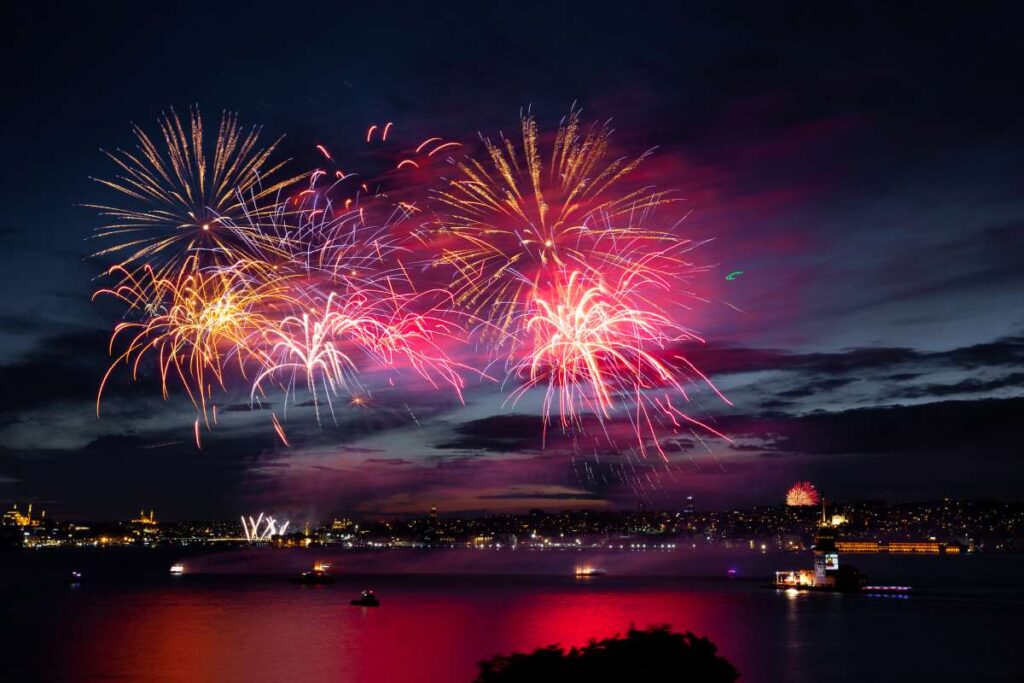
Fireworks are often associated with celebration. They light up the skies on Bonfire Night, welcome in the New Year, mark national holidays, and provide unforgettable finales to weddings, sporting events, and festivals. For many people, they’re simply a spectacular form of entertainment.
Yet fireworks have had a far greater impact on the world than most people realise. Since their earliest beginnings over a thousand years ago, they have influenced science, culture, technology, military history, public celebrations, and even global trade. While their appearance has evolved dramatically over the centuries, fireworks continue to bring people together in ways few other inventions can.
So, how have fireworks changed the world? Let’s explore the remarkable journey of one of history’s most enduring inventions.
They Changed the Way We Celebrate
Perhaps the most obvious way fireworks have changed the world is by transforming celebrations.
Before fireworks became widely available, important occasions were often marked with music, feasts, religious ceremonies, or bonfires. Fireworks introduced something entirely new: a shared visual spectacle that could be enjoyed by thousands of people at once.
Today, fireworks are a feature of celebrations across the globe, including:
- New Year’s Eve.
- Bonfire Night.
- Diwali.
- Chinese New Year.
- National holidays.
- Weddings.
- Sporting victories.
- Community festivals.
No matter the language or culture, fireworks have become a universal symbol of joy, excitement, and celebration.
Learn more interesting fireworks facts!
They Encouraged Advances in Chemistry
The development of fireworks required centuries of experimentation.
Early firework makers discovered that different minerals and compounds produced different colours, while varying proportions of ingredients affected height, brightness, duration, and sound.
Although modern chemistry has advanced far beyond those early discoveries, fireworks helped inspire generations of experimentation with chemical reactions and combustion.
Over time, improvements in pyrotechnic chemistry have resulted in:
- Brighter colours.
- More reliable ignition.
- Cleaner-burning compositions.
- Improved stability.
- More consistent performance.
These advances have made modern fireworks both more impressive and safer than many of their historical counterparts.
They Inspired Public Spectacles
Long before television, concerts, or large-scale sporting events, fireworks were one of the world’s greatest forms of public entertainment.
Royal celebrations across Europe frequently included elaborate pyrotechnic displays, often designed to demonstrate wealth, power, and technological achievement.
Crowds would gather to witness these displays, creating some of history’s earliest examples of large public entertainment.
Even today, fireworks remain one of the few attractions capable of bringing together thousands of strangers to share the same experience.
They Became Symbols of National Identity
Many countries now associate fireworks with important moments in their national history.
In the UK, Bonfire Night has featured fireworks for centuries, commemorating the events of 5 November 1605. Elsewhere, fireworks have become central to independence celebrations, national festivals, and significant public anniversaries.
These displays help reinforce shared traditions and create annual rituals that connect generations.
For many families, attending a fireworks display is an important tradition passed down through childhood and into adulthood.
They Influenced Military Technology
Although fireworks are primarily associated with entertainment today, their origins are closely linked with early military innovation.
The invention of gunpowder eventually led to the development of rockets, signal devices, and other technologies that changed warfare throughout history.
It’s important to recognise, however, that modern consumer fireworks exist for celebration rather than military purposes. Today’s fireworks are carefully engineered for visual enjoyment, with strict safety standards governing their manufacture and use.
Understanding this historical connection simply highlights how one discovery ultimately influenced very different areas of human development.
They Helped Connect Cultures
As trade expanded between continents, fireworks travelled alongside merchants, explorers, and travellers.
Ideas that originated in China gradually spread across Asia, the Middle East, and Europe before becoming established around the world.
As fireworks reached different countries, each culture adapted them to suit local traditions and celebrations.
This cultural exchange helped fireworks become a truly global phenomenon, enjoyed across countless nations regardless of language or religion.
They Continue to Bring Communities Together
One of the most positive ways fireworks have changed the world is through their ability to unite people.
Unlike many forms of entertainment, fireworks encourage people to gather outdoors, share experiences, and celebrate collectively.
Whether it’s a village Bonfire Night, a charity fundraiser, or a city-wide New Year’s Eve display, fireworks create moments that are enjoyed simultaneously by entire communities.
People often remember who they watched the fireworks with just as much as the fireworks themselves.
They Drove Technological Innovation
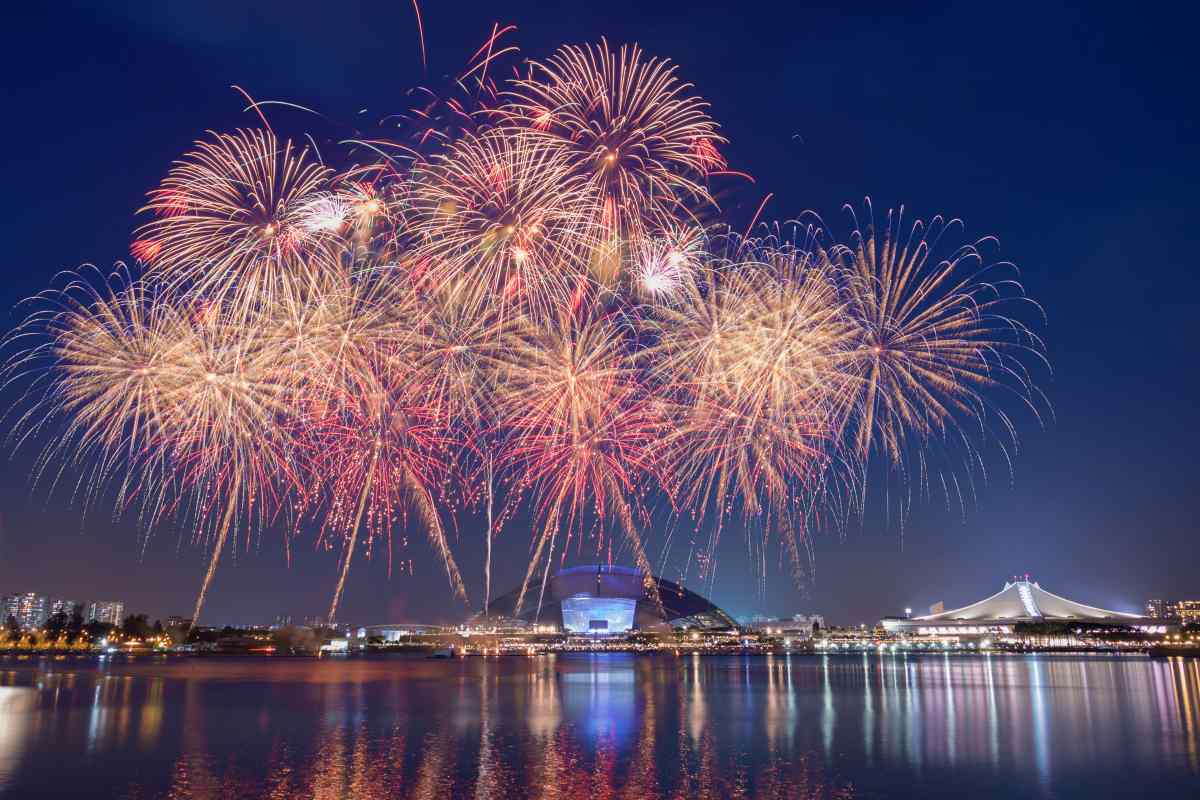
Modern fireworks are far more sophisticated than those used hundreds of years ago.
Advances in manufacturing have improved consistency, reliability, and visual complexity, allowing today’s displays to include intricate patterns, multiple colours, timed sequences, and impressive aerial effects.
Technology has also transformed the way professional displays are organised.
Examples include:
- Computer-controlled firing systems.
- Digital sequencing.
- Wireless ignition.
- Precision timing.
- Choreographed music.
- GPS-assisted positioning for major events.
These developments have helped create the spectacular displays seen at international celebrations today.
They Shaped the Entertainment Industry
Fireworks have become an essential part of live entertainment across numerous industries.
Today they’re regularly used at:
- Theme parks.
- Concerts.
- Festivals.
- Sporting events.
- Television productions.
- Film premieres.
- Cruise ships.
- National ceremonies.
Rather than serving as standalone attractions, fireworks now complement music, lighting, projections, and storytelling to create complete entertainment experiences.
They Inspired Art and Creativity
Few inventions have inspired artists quite like fireworks.
Their colours, movement, and symbolism have appeared throughout history in paintings, photography, literature, film, music, and theatre.
Photographers often spend years perfecting techniques for capturing fireworks, while artists continue to use them as symbols of celebration, hope, freedom, and transformation.
Even modern event planners use fireworks creatively to create unforgettable moments during weddings and other special occasions.
They Continue to Evolve
The fireworks we enjoy today look very different from those first developed centuries ago. Manufacturers continue working to improve performance while addressing modern expectations surrounding safety and environmental responsibility.
Recent developments include:
- Lower-smoke compositions.
- Reduced-noise fireworks.
- Improved packaging.
- Cleaner-burning materials.
- Greater product consistency.
- Enhanced safety features.
These innovations allow fireworks to remain relevant while adapting to changing public expectations.
They’ve Become Part of Personal Milestones
While fireworks often accompany national celebrations, they’ve also become closely associated with life’s biggest personal moments.
Increasingly, people choose fireworks to celebrate:
- Weddings.
- Milestone birthdays.
- Anniversaries.
- Retirement parties.
- Housewarming celebrations.
- Graduation events.
- Charity fundraisers.
These displays help transform important occasions into lasting memories shared with family and friends.
Choosing Fireworks for Modern Celebrations
As fireworks have evolved, so too has the variety available to consumers. Today it’s easier than ever to create a coordinated display using carefully selected products that complement one another.
For anyone planning a celebration, fireworks packs for organised displays provide a convenient way to achieve a balanced sequence of effects without needing to choose every firework individually. Anfield Fireworks offers a wide selection of display packs suitable for everything from family gatherings to larger celebrations, helping customers create memorable experiences with confidence.
More Than Just Entertainment
It’s easy to think of fireworks simply as colourful explosions in the night sky, but their influence stretches far beyond celebration. Over the centuries, they have inspired scientific discovery, shaped public traditions, influenced technology, connected cultures, and brought communities together through shared experiences.
Despite countless changes in society, one thing has remained remarkably consistent: fireworks continue to create moments of wonder that people remember for years. Whether marking historic national events or intimate family celebrations, they remind us of the importance of gathering together, celebrating achievements, and creating memories that light up more than just the sky.
From their ancient origins to today’s spectacular displays, fireworks have truly helped shape the world – and their story is still being written.

