



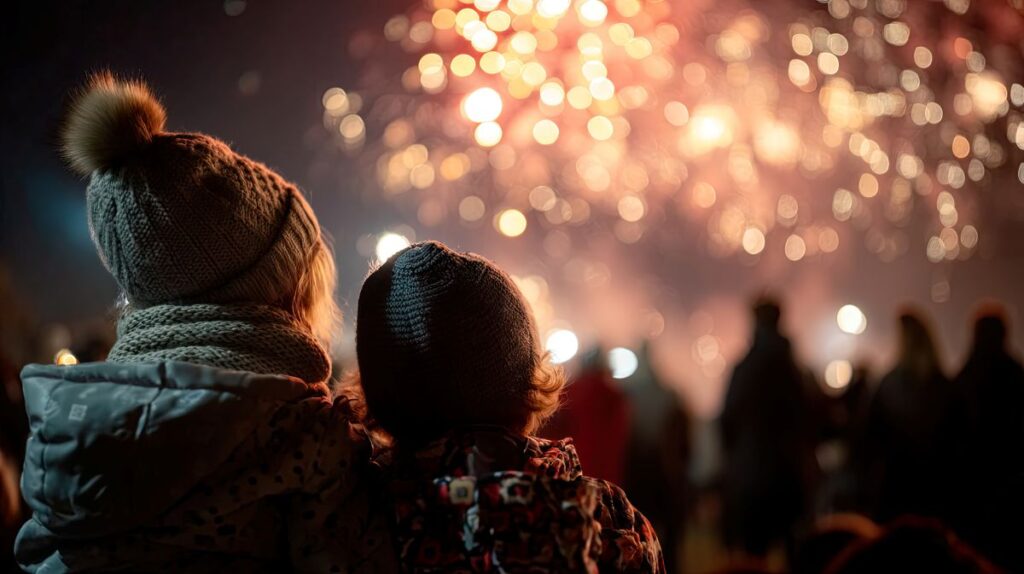
November is a favourite time for fireworks, but the British weather doesn’t always make planning a display straightforward. One evening might bring crisp, clear skies, while the next delivers persistent rain, gusty winds or temperatures that make standing outside less appealing. If you’re organising a Bonfire Night celebration or a private display later in the month, understanding how November weather fireworks plans can be affected will help you prepare for changing conditions. From protecting your fireworks before the event to knowing when it’s safer to postpone, a little preparation can make all the difference.
Why November Weather Can Be Unpredictable
November marks the transition into winter, bringing shorter days, cooler temperatures and an increased chance of wet and windy weather. According to the Met Office’s 1991–2020 UK climate averages, November receives around 123mm of rainfall and has approximately 16 days with at least 1mm of rain. These are national averages, of course, so conditions can vary considerably depending on where you live.
For anyone planning a fireworks display, the challenge isn’t simply whether it will rain. Several weather conditions can overlap, affecting everything from visibility to the stability of fireworks and the safety of spectators.
A dry afternoon, for example, doesn’t guarantee a calm evening. Wind speeds can change, temperatures can fall quickly after sunset, and rain earlier in the day may leave the ground saturated. This is why checking the forecast just once isn’t enough.
Keep an eye on local forecasts in the days leading up to your event, then check again on the day itself. Pay particular attention to expected wind direction, gusts and the timing of any showers, as weather affecting fireworks displays can have a big impact on your plans.
How Cold Temperatures Affect Firework Performance
Cold weather is unlikely to be the biggest obstacle to a fireworks display on its own, but it can make preparation more challenging. November evenings can feel considerably colder than daytime temperatures suggest, particularly when you’re standing still outdoors for an extended period.
For spectators, this means thinking beyond the display itself. Warm coats, suitable footwear and a sheltered viewing area can make the experience more comfortable. If you’re hosting friends and family, consider serving hot drinks before the fireworks begin rather than expecting everyone to wait outside in the cold.
Fireworks also need to be handled carefully in low temperatures. The key consideration is keeping them dry, storing them correctly and following the manufacturer’s instructions. Don’t attempt to warm fireworks near heaters, open flames or other heat sources, and never modify a product because you think the cold might affect it.
Good cold weather fireworks tips are often about preparation rather than trying to change the conditions. Keep fireworks in their original packaging until needed, store them in a secure, dry place away from ignition sources, and bring out only what you need for the next stage of your display.
It’s also worth remembering that cold hands can make handling equipment more difficult. Anyone responsible for lighting fireworks should wear suitable clothing while ensuring gloves or other items don’t interfere with safe handling. Read the instructions in advance, so you’re not trying to work everything out in the dark.
Dealing with Damp Ground and Storage
Rain is a familiar feature of November, and even a brief shower can leave a garden muddy, slippery or waterlogged. This matters because fireworks need a suitable, stable surface to be positioned and secured according to their instructions.
Before setting up, inspect the firing area in daylight. If the ground is soft or uneven, don’t assume you can make it suitable by improvising a base or support. Follow the manufacturer’s guidance for positioning each firework, and don’t use a location where products cannot be set up securely.
Damp conditions also make storage especially important. Fireworks should remain dry and be kept away from sources of heat and ignition. Avoid leaving boxes outside while you prepare the rest of the garden, and never use fireworks that have become wet or damaged unless the manufacturer’s instructions explicitly confirm what action is safe. If you’re unsure about a product’s condition, seek advice from the supplier rather than taking a chance.
The surrounding garden deserves attention, too. Wet leaves can make paths slippery, while waterlogged lawns may make it harder for guests to move around safely. Clear walkways, provide adequate lighting and keep the firing area separate from spectators.
It’s also sensible to consider nearby fences, sheds, garden furniture and plants. Even in damp weather, fireworks produce heat and sparks, so combustible materials must remain a safe distance away. Fireproofing your garden starts with removing unnecessary hazards and making sure the display area has sufficient clearance; it doesn’t mean that wet surroundings are automatically safe.
Wind Speed and Safe Firing Distances
Wind is one of the most important weather factors to consider when planning fireworks. While a gentle breeze might not prevent a display, stronger or unpredictable winds can carry sparks, embers and debris towards spectators, buildings, trees or neighbouring gardens.
Wind direction matters just as much as speed. A firing position that seems suitable when you first set up may become unsafe if the wind changes. Check the forecast for gusts as well as average wind speeds, and reassess conditions immediately before the display begins.
There isn’t one universal wind-speed threshold that makes every firework safe to use. Different products and sites present different risks, so follow the manufacturer’s instructions and postpone if conditions prevent you from maintaining a safe firing area.
Never compensate for strong winds simply by moving spectators a little further away or changing a firework’s intended position. If you cannot confidently keep fireworks and their effects away from people and hazards, don’t proceed.
This is particularly important in smaller gardens, where fences, buildings and trees may restrict the available space. The minimum safety distance printed on each firework must be maintained, but additional space may be necessary when conditions are unfavourable. If your garden cannot accommodate the required distance safely, choose another venue or cancel the display.
Rescheduling or Adapting Your Display Plans
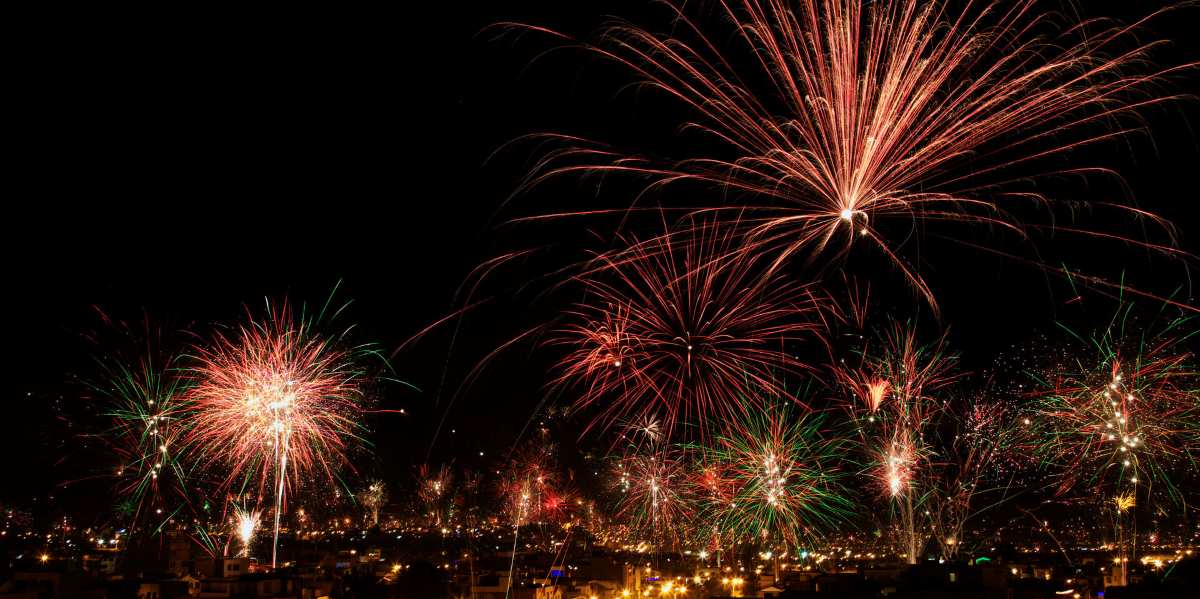
One of the most useful things you can do when planning a November display is accept that the original date may not work out. Having a backup date or an agreed postponement plan takes the pressure off when the forecast changes.
If conditions are unsuitable, postponing is better than trying to push ahead simply because guests have arrived or preparations are complete. Heavy rain, strong gusts, poor visibility and unstable ground can all affect whether a display can go ahead safely.
You might be able to adapt your plans without cancelling the entire event. For example, moving a gathering indoors until closer to the planned start time can keep guests comfortable while you monitor the forecast. However, changing the schedule won’t solve unsafe firing conditions.
Think about the timing a fireworks display requires, too. Build in enough time to prepare the site and check the weather, but avoid leaving fireworks set up unnecessarily while waiting for conditions to improve. A shorter display with suitable products may be easier to manage than an elaborate sequence that requires a long period outdoors.
Remember that fireworks in rain or wind aren’t simply a matter of accepting a less impressive show. If the conditions compromise safe use, the right decision is to postpone or cancel. No display is worth putting people or property at risk.
Preparing a Backup Plan for Bad Weather
A backup plan should be part of your preparations from the beginning, not something you scramble to arrange when rain starts falling.
Start by deciding who will make the final go-ahead decision. If you’re hosting a private display, one responsible adult should assess the conditions and communicate the decision clearly to everyone involved. For larger events, agree responsibilities with the organiser or professional display operator.
Your plan should cover a few practical details:
- An alternative date: Choose a realistic backup date and tell guests about it in advance.
- A sheltered gathering space: Give spectators somewhere comfortable to wait without entering the firing area.
- A clear cancellation decision: Set expectations that the display will not proceed if the weather makes it unsafe.
- Safe storage: Keep fireworks secure, dry and stored in accordance with the manufacturer’s instructions until they’re needed.
It’s also worth thinking about what happens after the event. November rain and darkness can make it difficult to spot debris, so arrange to check the area once it’s safe to do so. Never approach or relight a firework that has failed to go off; follow the manufacturer’s safety instructions and keep others away.
Most importantly, don’t let the effort you’ve put into planning dictate your decision. A backup activity, such as an indoor gathering or a meal with friends, can keep the evening enjoyable even if the fireworks have to wait.
Get Display-Ready with Anfield Fireworks
Choosing fireworks that suit your space and plans is an important part of preparing for November. At Anfield Fireworks, we offer a broad selection of products, including rockets, barrages, compounds, fountains and wheels, alongside display packs and selection boxes.
Our range makes it easier to explore different effects and build a display around your occasion, budget and available space. Rather than choosing products based on size alone, consider the safety distances, the time you want the display to last and the conditions your garden can accommodate.
With more than 30 years of experience in the fireworks industry, we understand the importance of choosing suitable products and preparing carefully. Our team can help you explore the options, while our online range lets you compare products before making a decision. You can browse our fireworks for sale uk selection and give yourself time to check the instructions and plan your display properly.
We also offer free delivery on orders over £250 across mainland UK, as well as click-and-collect from our Liverpool shop. Whatever you’re planning this November, prepare early, keep a close eye on the forecast and be willing to change your plans when conditions demand it. With the right preparation, you can look forward to a memorable display without compromising on safety.
FAQs
Can you set off fireworks in cold weather?
Yes, cold temperatures alone don’t necessarily prevent a display. Keep fireworks dry, store them safely and follow the manufacturer’s instructions. Always assess the wider conditions, including wind, rain and ground stability, before proceeding.
Can fireworks get wet?
Fireworks should be kept dry and protected from rain. Don’t use products that have become wet or damaged unless the manufacturer’s instructions confirm that doing so is safe. If you’re unsure, contact the supplier for advice.
How windy is too windy for fireworks?
There is no single wind-speed limit that applies to every firework and setting. Follow the product instructions and assess wind direction and gusts. If you cannot maintain safe distances or prevent sparks and debris from endangering people or property, postpone the display.
Should I cancel my fireworks display if rain is forecast?
Not necessarily. Light rain in the forecast doesn’t automatically mean a display must be cancelled, but fireworks and the firing area must remain suitable for safe use. Assess the actual conditions before starting, and never use wet or damaged fireworks.
When should I check the weather before a November display?
Check the forecast several days beforehand to identify potential problems, then review it again on the day. Reassess wind direction and ground conditions immediately before setting up and lighting fireworks.

