



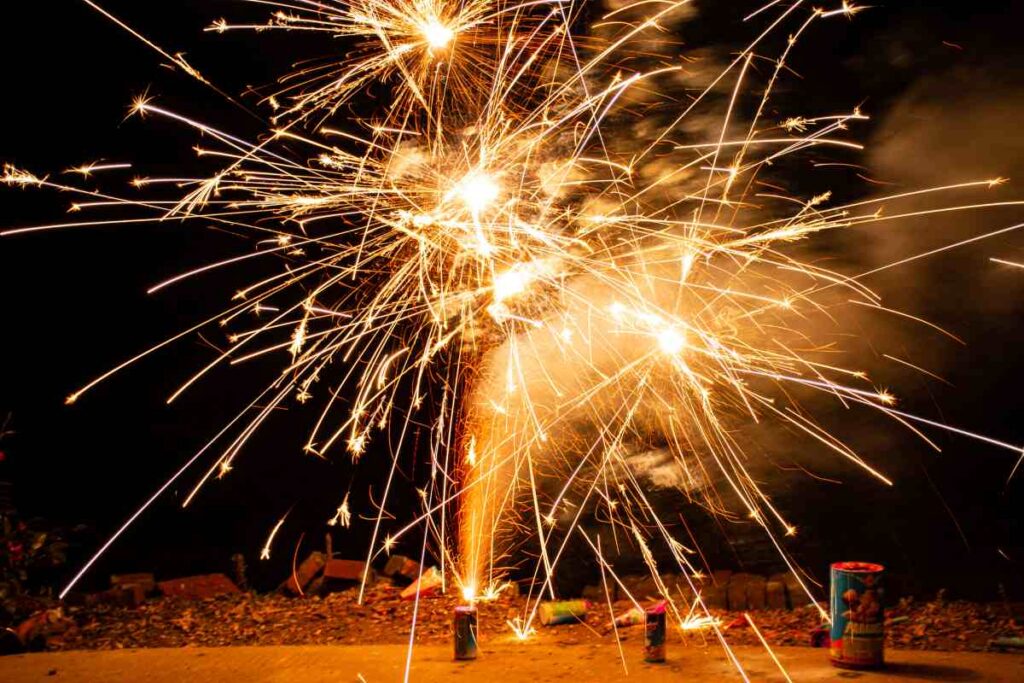
If you’re planning a fireworks display at home, it’s natural to buy everything in advance. Whatever the celebration, having your fireworks ready ahead of time can make planning much easier.
However, this raises an important question: how much fireworks can you legally store at home in the UK?
Fireworks are classed as explosives, which means their storage is controlled by law. While the rules are designed to keep people safe, they can sometimes feel a little unclear if you’re not familiar with them.
In this guide, we’ll break down the key UK rules around storing fireworks at home, explain what’s allowed, and offer practical advice to help you stay safe and compliant.
Why Firework Storage Is Regulated
Fireworks contain explosive materials, so storing them incorrectly can pose risks such as fire hazards or accidental ignition. The UK government regulates storage to reduce these risks and ensure fireworks are handled responsibly.
These rules don’t exist to stop people from enjoying fireworks. They’re there to make sure that when you do use them, it’s done safely and without unnecessary danger to your home, family, or neighbours.
Understanding the limits and guidelines helps you avoid legal issues while keeping your display preparations straightforward.
The Basics of UK Firework Storage Limits
In the UK, how many fireworks you can store at home depends on the net explosive content (NEC). This refers to the amount of explosive material inside the fireworks, not their total weight including packaging.
For most consumers, the general guidelines are:
- You can store up to 5kg NEC of fireworks indefinitely without needing a licence
- You can store up to 30kg NEC for a limited period (usually up to 14 days) without a licence
- Storing more than 30kg NEC requires a licence from your local authority
- If you want to store fireworks long-term in larger quantities, you must apply for proper storage permissions
These limits apply to typical consumer fireworks (Categories F1, F2, and F3), which are the types sold for home use.
You should review the UK laws on storing fireworks to understand how storage fits into overall regulations.
What Is NEC and Why Does It Matter?
NEC (Net Explosive Content) is a key concept when it comes to fireworks storage. It measures only the explosive material inside the firework, not the casing or packaging.
This means:
- A large box of fireworks might look heavy, but its NEC could be relatively low
- Multiple smaller fireworks can quickly add up in terms of NEC
- Storage limits are based on potential risk, not physical size
Most reputable retailers clearly label the NEC on their products, making it easier to calculate how much you’re storing.
If you’re buying fireworks in bulk, it’s always worth checking the total NEC to ensure you remain within legal limits.
Storing Fireworks for Short Periods
If you’re planning an event and have bought fireworks in advance, you may temporarily store more than 5kg NEC (up to 30kg) without a licence, provided it’s only for a short period (typically up to 14 days).
This allowance is designed to give people flexibility when preparing for events such as:
- Bonfire Night displays
- New Year’s Eve celebrations
- Weddings or private parties
- Community gatherings
However, it’s important not to treat this as a long-term solution. Once your event has passed, any unused fireworks should either be used within legal timeframes or stored within the lower limit unless you have the appropriate licence.
When Do You Need a Storage Licence?
You’ll need to apply for a licence from your local authority if:
- You want to store more than 30kg NEC
- You plan to store more than 5kg NEC for longer than 14 days
- You are storing fireworks as part of a business or commercial operation
Licensing involves additional safety requirements, such as approved storage containers, separation distances, and compliance with fire safety standards.
For most home users, this won’t be necessary. However, it’s important to be aware of the rules if you’re planning a larger display or buying in significant quantities.
Safe Storage Practices at Home
Even if you’re within legal limits, how you store your fireworks matters just as much as how many you store
To keep your home safe, you should:
- Store fireworks in a cool, dry place away from heat sources
- Keep them in their original packaging to protect the fuses
- Avoid storing them near flammable materials
- Keep them out of reach of children and pets
- Never store fireworks in living areas where they could be knocked or tampered with
A locked cupboard, container, or secure shed is often the best option.
Where Should You Not Store Fireworks?
There are certain places where fireworks should never be stored, even temporarily.
Avoid storing fireworks in:
- Near open flames, heaters, or radiators
- Areas with high humidity or damp conditions
- Lofts or attics where temperatures can fluctuate significantly
- Near exits or escape routes
- Vehicles for extended periods
Improper storage increases the risk of accidental ignition and can create hazards in the event of a fire.
Transporting Fireworks Safely
Storage and transport often go hand in hand. Once you’ve bought your fireworks, you’ll need to get them home safely.
When transporting fireworks:
Keep them in their original packaging
Store them securely in your vehicle so they don’t move around
Avoid leaving them in a hot car for long periods
Do not smoke or expose them to heat during transport
Getting your fireworks home safely is the first step in storing them correctly.
Buying the Right Amount for Your Event

One of the easiest ways to stay within storage limits is simply to buy what you need, and not much more.
Over-purchasing can lead to unnecessary storage issues, especially if you end up with leftover fireworks after your event.
To avoid this:
- Plan your display in advance
- Choose fireworks that match your space and audience
- Consider how long you want the display to last
- Avoid impulse purchases
If you’re unsure how much to buy, opting for complete firework bundles for events may be the perfect solution. These bundles are designed to provide a balanced display without requiring you to calculate quantities yourself.
What to Do with Leftover Fireworks
After your event, you may have fireworks left over. It’s important to store or dispose of them properly.
Your options include:
- Keeping them safely within the 5kg NEC limit for future use
- Using them at a later date within legal usage periods
- Contacting your retailer for advice if you’re unsure
Never attempt to dismantle fireworks or dispose of them in household bins unless they have been properly soaked and are safe to discard.
Common Mistakes to Avoid
When storing fireworks at home, some mistakes are more common than others. Avoiding these can help keep you safe and within the law.
Common mistakes include:
- Buying more fireworks than you can legally store
- Ignoring NEC limits and focusing only on box size
- Storing fireworks in unsuitable locations
- Keeping fireworks for long periods without checking legal limits
- Allowing children access to stored fireworks
A little planning can prevent all of these issues.
Keeping Your Celebration Safe and Legal
Fireworks are an exciting way to celebrate, but they come with responsibilities – and storage is one of the most important aspects to get right.
Storing fireworks at home is perfectly legal in the UK, as long as you follow the rules. For most people, staying within the 5kg NEC limit for long-term storage or the 30kg short-term allowance will be more than enough for a typical display.
The key is to combine legal awareness with common sense. So long as you understand the limits, store fireworks properly, and only buy what you need, you can prepare for your event with confidence.

