



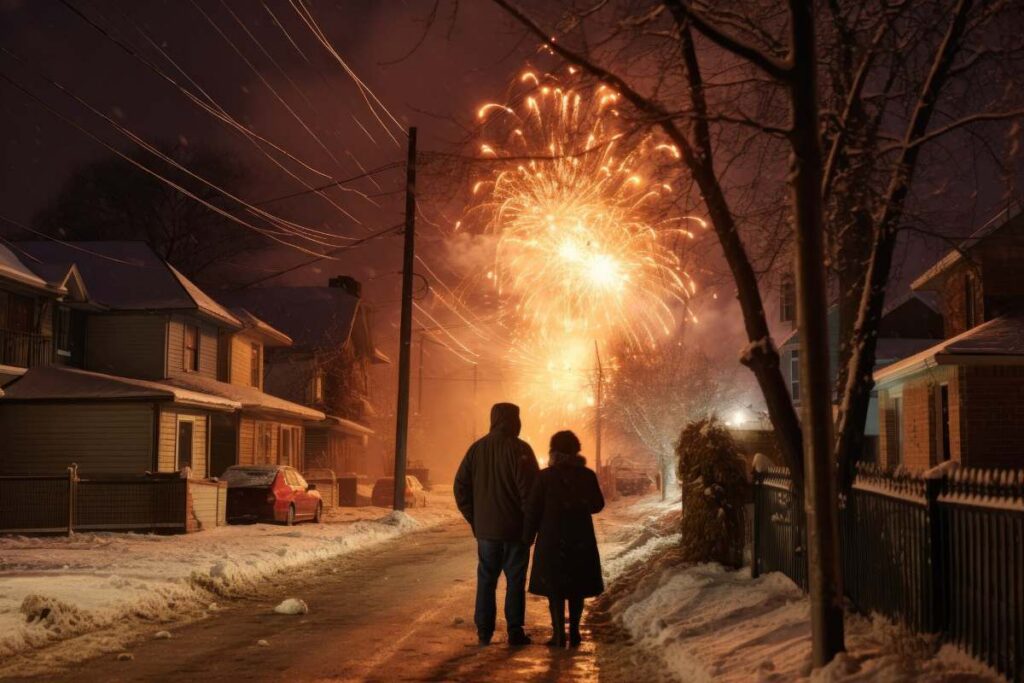
Fireworks are a brilliant way to celebrate special occasions, from Bonfire Night and New Year’s Eve to weddings, birthdays, and community events. They bring colour, excitement, and a sense of occasion that few other things can match. However, they can also be noisy and unexpected, which can sometimes affect the people living around you.
This raises an important question: should you tell your neighbours before setting off fireworks?
While it’s not a legal requirement in the UK, letting your neighbours know in advance is widely considered good practice. It shows consideration, helps avoid complaints, and contributes to a more positive experience for everyone involved. In many cases, a simple conversation can make all the difference.
Let’s explore why informing your neighbours is a good idea, how to do it effectively, and what else you can do to be considerate when planning a fireworks display.
Is It a Legal Requirement to Inform Neighbours?
In the UK, there is no law that requires you to inform your neighbours before setting off fireworks on private property. However, you must still follow all relevant fireworks laws and regulations, including:
- Not setting off fireworks between 11pm and 7am (with some exceptions for Bonfire Night, New Year’s Eve, Diwali, and Chinese New Year)
- Only using fireworks on private land with the owner’s permission
- Ensuring you comply with safety distances and instructions
- Not using fireworks in public spaces such as streets or parks
Although telling your neighbours isn’t legally required, it’s definitely considered proper fireworks etiquette to do so.
Why It’s a Good Idea to Tell Your Neighbours
So, even though it’s not mandatory, why inform your neighbours of any planned fireworks events? Because it can significantly improve the experience for everyone. Here’s just a few benefits:
1. Reduces Complaints and Conflicts
Fireworks can be loud and unexpected. If your neighbours are not aware that a display is planned, they may be startled or concerned, especially if they have young children, pets, or specific sensitivities to noise.
If you just give them a quick heads-up, you reduce the chances of misunderstandings or complaints. Most people are far more accepting of noise when they know it’s coming and understand the reason behind it.
2. Shows Consideration and Respect
Letting your neighbours know demonstrates that you respect their space and wellbeing. It’s a small gesture, but it goes a long way in maintaining good relationships within your community.
This is particularly important in residential areas where houses are close together and noise carries easily. A quick message or conversation can help ensure your plans are seen as considerate rather than disruptive.
3. Helps Those with Pets and Children
Fireworks can be particularly stressful for pets and some children. Animals may become anxious or frightened by loud noises, while younger children might be unsettled by the sudden bangs and flashes.
Giving advance notice allows neighbours to prepare by:
- Keeping pets indoors
- Closing windows and curtains
- Providing comfort or distractions
- Planning to be out of the house if needed
This can significantly reduce stress for both pets and owners.
4. Gives People Time to Prepare
Some of your neighbours may have their own plans or commitments. Informing them ahead of time allows them to adjust accordingly.
For example, they might:
- Avoid scheduling outdoor activities during your display
- Ensure children are settled indoors
- Take precautions if they have noise sensitivities
- Secure outdoor items or decorations
A bit of notice helps everyone feel more in control.
When Should You Tell Your Neighbours?
If you decide to inform your neighbours, timing is important.
A good rule of thumb is to give notice:
- A few days in advance for smaller, private displays
- A week or more in advance for larger or more elaborate events
- Even earlier if you live in a particularly quiet or sensitive area
The earlier you inform people, the more time they have to prepare. However, even short notice is better than none at all.
How to Inform Your Neighbours
There are several ways to let your neighbours know about your plans. The method you choose will depend on your relationship with them and the size of your event.
1. A Friendly Conversation
If you know your neighbours well, a simple face-to-face conversation is often the best approach. It allows you to explain your plans and answer any questions they might have.
This personal touch can go a long way in building trust and goodwill.
2. Written Notice or Leaflets
For larger gatherings or when you don’t know your neighbours well, a written note can be helpful. This might be:
- A handwritten note through their letterbox
- A printed flyer with key details
- A message with your contact information for questions
Including details such as the date and approximate time of your display can help neighbours prepare more effectively.
3. Community or Group Messages
In some areas, especially where neighbourhood groups or online communities exist, you might share a message in advance to let people know.
This can be particularly useful in densely populated areas where many households are affected.
What Information Should You Share?
When informing your neighbours, you don’t need to provide a long or detailed explanation. However, including some key information can be helpful:
- The date of your fireworks display
- The approximate time it will take place
- A brief note that fireworks will be used
- An apology for any inconvenience
You don’t need to share every detail, but enough information to allow neighbours to plan ahead is ideal.
What If You Don’t Tell Your Neighbours?
If you choose not to inform your neighbours, you are still acting within the law as long as you follow all regulations. However, you may be more likely to receive complaints, especially if:
- The fireworks are loud or unexpected
- The display takes place late in the evening
- Your neighbours have pets or young children
- The area is particularly quiet
In some cases, repeated disturbance could lead to formal complaints or involvement from local authorities, particularly if noise levels are considered excessive.
For this reason, even though it’s not required, notifying neighbours is often the more responsible and considerate choice.
Being a Considerate Fireworks Host
Informing your neighbours is just one part of being a responsible fireworks user. There are several other ways you can ensure your display is enjoyable for everyone.
This includes:
- Choosing appropriate fireworks for your space
- Keeping noise levels in mind
- Following all safety instructions carefully
- Ensuring your display is within permitted hours
- Cleaning up thoroughly afterwards
Planning a Safe and Enjoyable Display
When organising your fireworks display, safety and planning should always come first. Whether you’re hosting a small garden event or a larger celebration, preparation is key.
Make sure you:
- Set up fireworks on stable, flat ground
- Maintain the recommended safety distance
- Keep water or a fire extinguisher nearby
- Avoid using fireworks if you’ve been drinking alcohol
- Follow all instructions provided with each firework
If you’re planning a more structured event, event-ready pyrotechnics for special occasions can help create a safe and visually impressive display with minimal effort.
Finding the Right Balance
At the heart of this question is a simple idea: balance. Fireworks are meant to be enjoyed, but they should also be considerate of the people around you.
Letting your neighbours know about your plans is a small but meaningful step towards achieving that balance. It shows respect, reduces the likelihood of issues, and helps create a more positive atmosphere for everyone.
In most cases, people are far more understanding when they know what to expect. A quick message or conversation can turn a potentially disruptive situation – if you’re close to your neighbours, you could even invite them!
Being A Good Neighbour
So, should you tell your neighbours before setting off fireworks? While it’s not required by law in the UK, it is highly recommended.
Taking the time to inform those around you is a simple act of consideration that can prevent misunderstandings, reduce complaints, and make your event more enjoyable for everyone involved. It’s one of the easiest ways to ensure your fireworks display is not only exciting but also respectful and well-received.
With thoughtful planning, good communication, and a focus on safety, your fireworks celebration can be a positive experience for both you and your community.

