



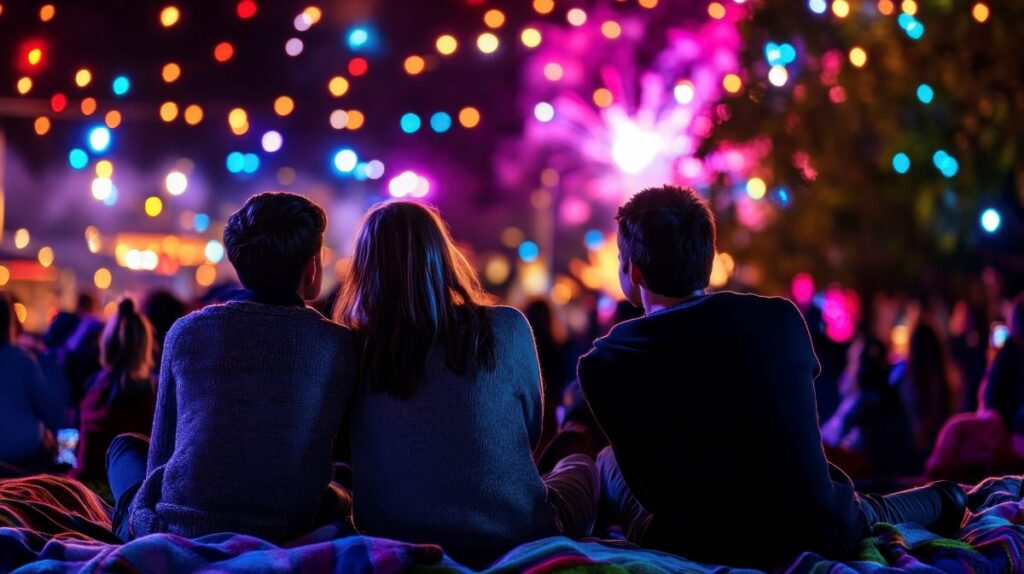
There’s something deeply human about standing under a night sky while it explodes in colour. The crackle, the shimmer, the brief hush before a firework bursts into brilliance-it all feels oddly magical, even though it’s basically just chemistry with flair. But what is it about fireworks that fascinates us so universally? Why do people travel miles, gather in the cold, and risk singed eyebrows just to watch a few seconds of glittery combustion? From end-of-year firework displays to the science of sparklers, let’s peel back the psychology of fireworks and see what’s going on behind the “oohs” and “aahs.”
The thrill of sensory overload
Our brains are wired to love stimulation. Fireworks deliver it in spades-sight, sound, vibration, even the faint whiff of smoke curling through the air. Psychologists call this multisensory integration, which is a fancy way of saying our brains get a little thrill when multiple senses are activated at once. The loud bangs trigger the startle reflex (a survival mechanism, technically), but when we know it’s safe, that same reflex gets rewired into excitement.
It’s similar to how some people love rollercoasters or scary movies. You feel a jolt of fear, then relief, and that shift creates an emotional high. Fireworks hijack that same loop: the anticipation, the sudden explosion, the collective gasp, and then-silence. It’s drama, but with light and chemistry instead of plot twists.
And there’s something primal about light piercing darkness. Long before modern pyrotechnics, humans gathered around campfires for warmth, security, and storytelling. That instinct hasn’t really left us. Today, fireworks are just a more sophisticated campfire-louder, brighter, and (thankfully) less likely to set your shoes alight.
A shared emotional experience
Psychologically speaking, fireworks also bond us. There’s a reason most people don’t set off rockets alone in the garden (well, unless they’re testing something-and probably shouldn’t be). Fireworks are social. When crowds gather, hearts literally sync to the rhythm of shared emotion. Scientists have found that people watching the same spectacle often experience emotional contagion-their brainwaves align, their reactions mirror each other, and they feel more connected.
It’s why fireworks feature at national celebrations, weddings, even concerts. They’re designed to unite. Whether it’s New Year’s Eve on the Thames or Bonfire Night in a local park, everyone’s eyes turn skyward together. For a few minutes, we’re all part of the same fleeting moment. It’s communal awe-a rare thing in our endlessly distracted world.
There’s also nostalgia woven into the experience. The smell of sulphur, the echo of a distant pop-these cues can summon memories from childhood. That’s the hippocampus at work, tying smell and sound to emotion. So, when fireworks go off, you’re not just watching light; you’re reliving a dozen summers, bonfire nights, or New Year’s countdowns gone by.
The science of surprise
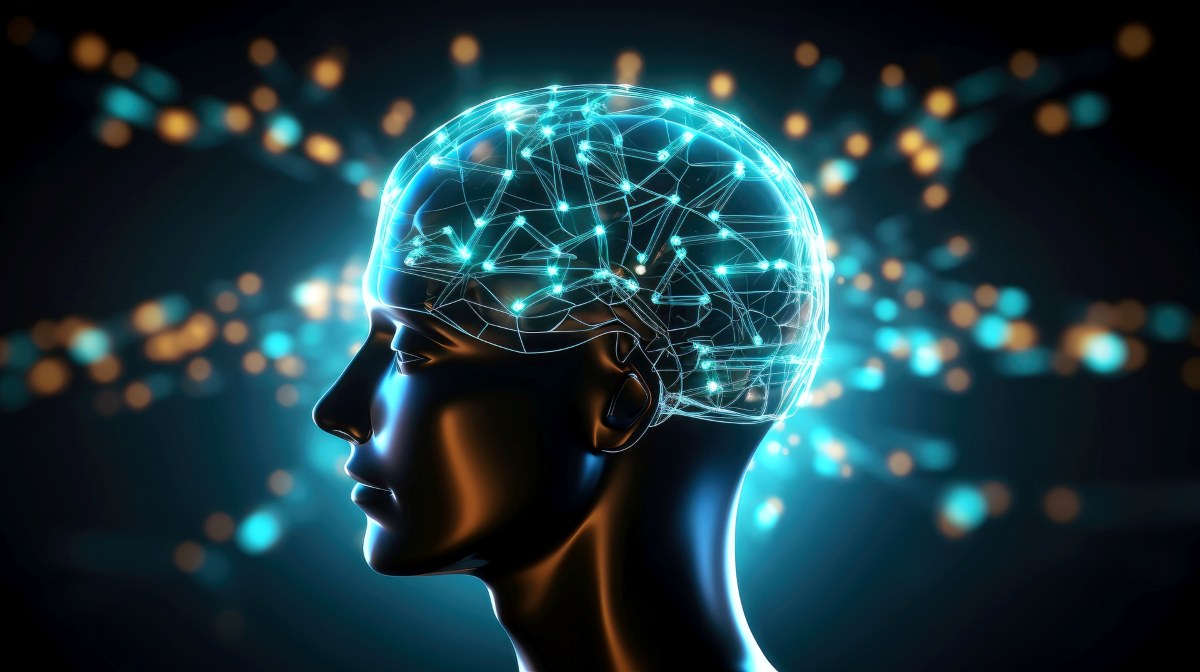
Another psychological factor: unpredictability. Humans love novelty, but only when it’s safe. Fireworks give us that delicious balance-controlled chaos. You never quite know what shape or colour will appear next, yet you trust it’ll be beautiful. That uncertainty keeps our brains alert.
Studies in neuroscience show that surprise activates the brain’s reward system, flooding us with dopamine (the “feel-good” neurotransmitter). In other words, fireworks make us happy because they constantly surprise us in ways that don’t threaten us. It’s the same mechanism that makes us love plot twists, slot machines, and unexpected compliments. Except fireworks don’t take your money. Well, not directly.
And then there’s pattern recognition. Humans are natural pattern seekers. Our brains try to find structure in the randomness-the spirals, the symmetry, the cascading trails of gold. It’s oddly satisfying, like watching fractals or waves on a beach. Every burst is a mini masterpiece of geometry and chemistry working in sync.
(If you want to geek out a little further, you can see the full firework catalogue here at Anfield Fireworks and appreciate how precise the artistry behind those patterns really is.)
Colour, chemistry, and emotion
We can’t talk about fireworks without mentioning colour psychology. Reds feel passionate and energising; blues calm and captivate; greens soothe; golds radiate warmth. The combination creates an emotional symphony in the sky. It’s no coincidence that certain displays use colour to tell a story-like royal blues and silvers for national pride or pinks and purples for romance.
Behind the beauty lies science. Different metal salts produce specific hues: strontium for red, copper for blue, barium for green, and sodium for yellow. When these elements are heated, their electrons jump to higher energy levels, then release light as they fall back. That’s what paints the night sky.
Colour also interacts with our biology. Bright light can trigger the release of endorphins, making us feel happier and more alert. Combine that with the collective cheer of a crowd and a sense of wonder, and you’ve got a recipe for emotional uplift. That’s not just poetry-it’s neuroscience at play.
Fireworks and cultural meaning
Of course, fireworks aren’t just pretty-they’re symbolic. Across cultures, they mark transitions, celebrations, and renewal. In China, where fireworks were first invented, they were believed to scare away evil spirits. In the UK, we light them on Bonfire Night to commemorate history (albeit a rather explosive one). Around the world, they’re tied to joy, triumph, and new beginnings.
That symbolism reinforces their impact. We don’t just watch fireworks; we feel what they represent-hope, excitement, even collective pride. And because they’re fleeting, they remind us of impermanence. You can’t rewind a firework. It burns, dazzles, fades. There’s a lesson in that, somewhere between philosophy and physics.
The Bottom Line
Perhaps the real reason we love fireworks is emotional simplicity. They don’t demand interpretation. They exist purely to dazzle, to make us stop for a moment and look up. In a world of constant noise, that’s rare.
There’s also a satisfying contrast: the raw power of combustion choreographed into elegance. Fireworks prove that even something as violent as an explosion can create beauty when controlled and timed with intention.
We think that’s part of their enduring appeal-the blend of chaos and order, fear and joy, science and art. They remind us that we can engineer wonder, at least for a few luminous seconds. So next time you’re standing in the cold, neck craned, eyes reflecting bursts of gold, remember: what you’re feeling isn’t just awe. It’s psychology, chemistry, memory, and maybe a little bit of collective magic.

